
Water heaters are one of the hardest-working appliances in your home. They deliver a steady supply of hot water for baths, showers, dishes, laundry, and more around the clock. Like any appliance, they occasionally need a reset to get back on track. A tripped reset button can cut off your hot water supply without warning, but in many cases, the fix is simpler than you might think.
What Does the Water Heater Reset Button Do?
The reset button on your water heater is more than just a restart switch. It is officially called the high-limit safety switch, and it is one of the most important protective components built into your system.
Its core job is to monitor water temperature. When the water inside your tank climbs to an unsafe level, the button trips automatically and shuts off the heating elements. This stops the system from overheating and protects against potential hazards like burns, structural damage, or electrical failure.
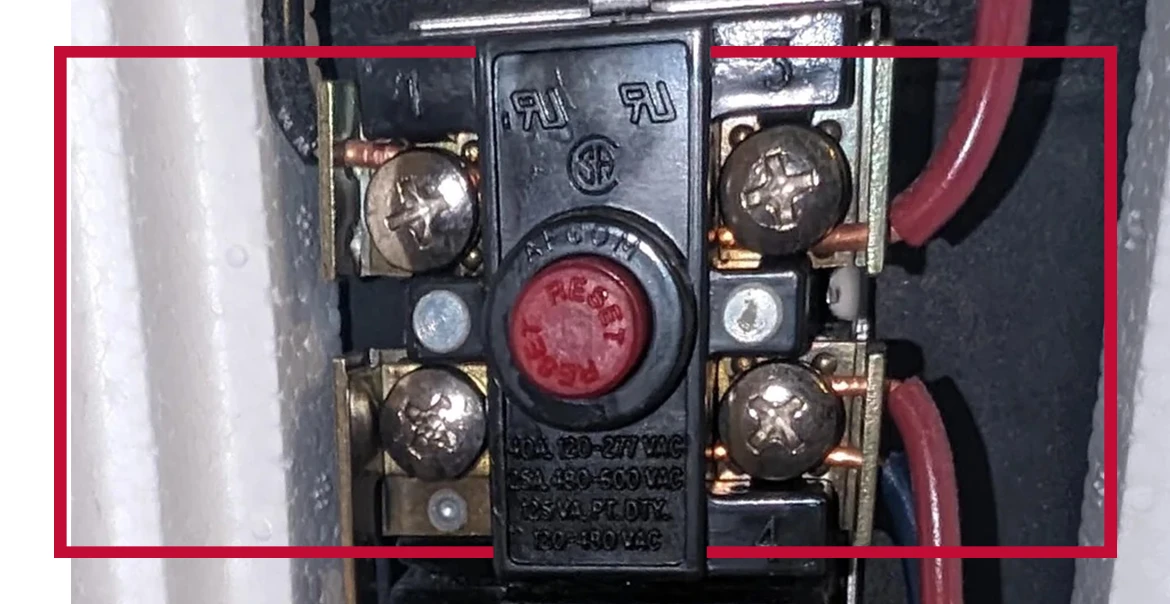
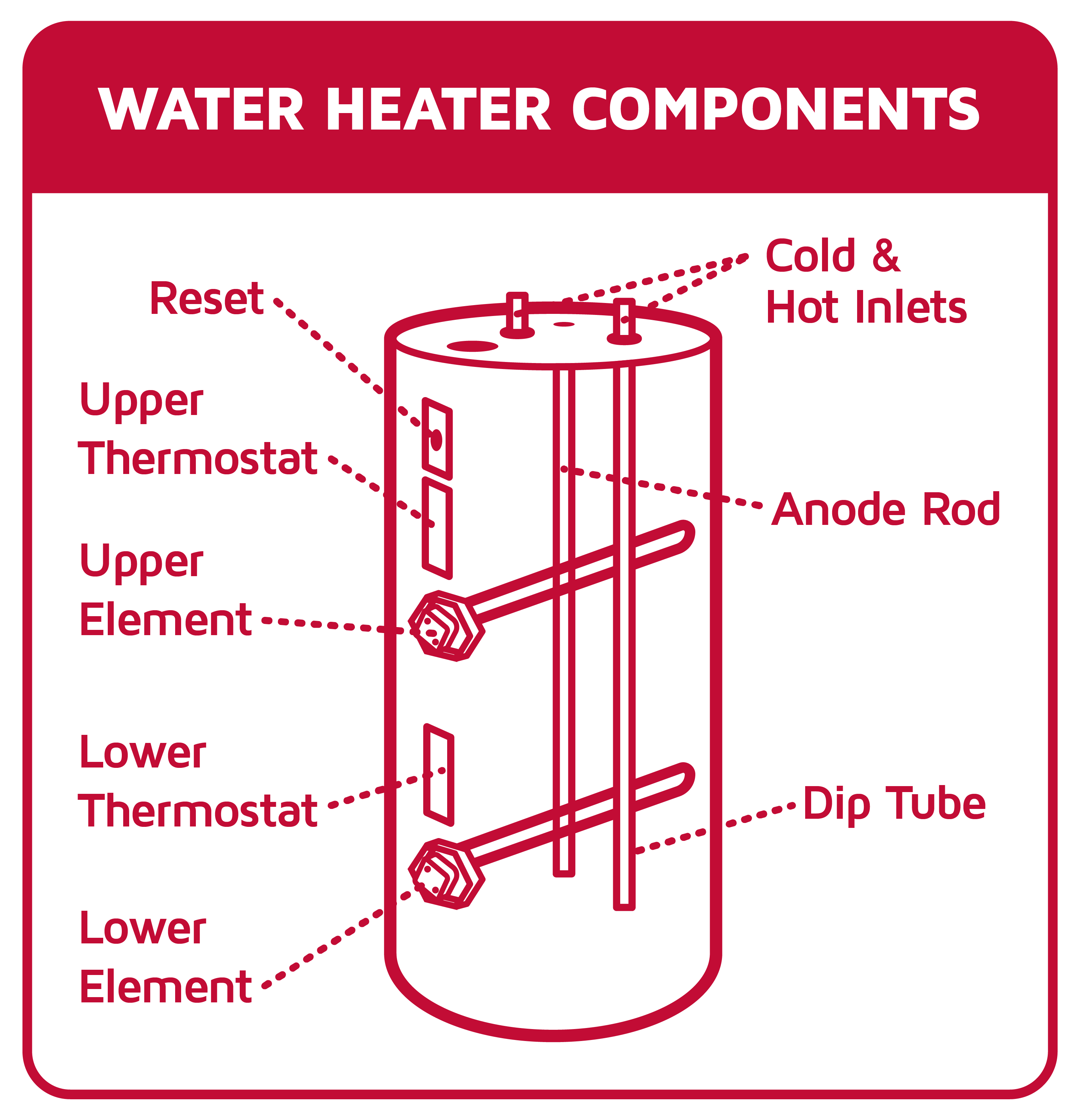
Think of it as your water heater's built-in safety net. Without it, an overheating unit could cause serious damage to both the appliance and your home. On electric water heaters, the reset button is typically red and located near the thermostat, behind the access panel. On gas water heaters, there is no traditional reset button. Instead, resetting the system involves working with the gas control valve and relighting the pilot light.
Understanding what this component does makes it much easier to troubleshoot when something goes wrong.
Signs Your Water Heater May Need to Be Reset
Catching the warning signs early can save you time and prevent a small issue from becoming a costly repair. Here are the most common indicators that your water heater may need a reset:
No hot water or suddenly cold water: Inconsistent or completely cold water is one of the clearest signs that the reset button has tripped and shut the system down.
Water heater not heating after a power outage: Power surges and outages can trip the reset button and disrupt normal operation.
Electric water heater stopped working unexpectedly: A non-responsive unit with no obvious cause is often the result of a tripped reset button.
Reset button has visibly popped out: When the button is out of its normal position, the system has been triggered and needs attention.
Each of these signs can point to different underlying issues, but a simple reset is usually the first and best step to take before escalating to a repair.
Safety Steps Before Resetting a Water Heater
Before you touch anything, take a moment to follow these basic safety precautions:
Turn off the power or gas supply if needed: For electric heaters, flip the breaker before opening any panels. For gas heaters, turn the control valve to OFF before proceeding.
Allow the water heater to cool if overheating is suspected: If the unit has been overheating, give it time to reach a safe temperature before you begin any inspection or reset attempt.
Taking these steps first keeps you protected and ensures the process goes smoothly.
How to Reset an Electric Water Heater?
Follow these steps to reset a tank electric water heater:
Turn off the circuit breaker supplying power to the water heater.
Remove the upper access panel using a screwdriver and lift it off.
Locate the red reset button on the thermostat. It is typically the most visible component once the cover is removed.
Press the reset button firmly until you hear a click. This click confirms the system has been reset.
Reattach the access panel securely.
Turn the breaker back on to restore power.
Wait 30 to 60 minutes to allow the heater to warm the water back up, then check if hot water has returned.
This process resolves most issues tied to a tripped reset button on electric units.
How to Reset a Gas Water Heater?
Gas water heaters do not have a reset button the way electric models do. Resetting a gas unit is essentially the same as relighting the pilot light. Here is how to do it:
Turn the gas control valve to OFF. This stops gas flow and makes the unit safe to work on.
Wait several minutes to allow any residual gas to clear. This step reduces the risk of ignition issues when you relight.
Turn the control knob to PILOT. This prepares the system for manual relighting.
Relight the pilot light following the manufacturer's instructions. Use a long lighter or match, and follow the label on the unit carefully.
Turn the control knob back to ON once the pilot light is lit and stable.
Each step is designed to prevent incorrect ignition and keep the process safe from start to finish.
What to Do If the Reset Button Keeps Tripping?
Repeatedly pressing the reset button without addressing the root cause can make the problem worse over time. A qualified Lennox dealer can assist with diagnosing the underlying issue and getting your system back to safe, reliable operation.
If your reset button trips repeatedly, it is a signal that something within the system needs professional attention. Common causes include:
Faulty or Shorted Heating Element: A damaged heating element is one of the most frequent reasons a water heater keeps tripping the breaker. When the element shorts out, it draws far more power than the circuit is rated for, forcing the breaker to cut power as a safety measure.
Malfunctioning Thermostat: A thermostat that is stuck or reading temperatures incorrectly can cause the heating element to run continuously, overloading the circuit.
Loose, Damaged, or Corroded Wiring: Improper or deteriorating wiring creates an unstable electrical environment. Loose connections arc and generate heat, which triggers the breaker repeatedly.
Electrical Short Circuit Within the Unit: Internal short circuits happen when wiring inside the water heater makes contact where it should not. This causes an immediate surge that trips the breaker.
Undersized or Failing Circuit Breaker: Sometimes the breaker itself is the problem. An aging breaker loses its ability to hold a proper load, or the breaker was never sized correctly for the water heater in the first place.
Water Leaks Affecting Electrical Components: Water and electricity are a dangerous combination. Even a minor leak near electrical components can cause ground faults and short circuits that destabilize the breaker.
When to Call a Professional?
Some situations go beyond a simple reset and call for expert service. Reach out to a licensed plumbing contractor if you experience any of the following:
The reset button or breaker trips repeatedly: Persistent faults point to complex underlying issues that require a thorough inspection.
You notice a burning smell or unusual noises: These are signs of overheating or electrical problems that need specialized attention right away.
Your water heater is leaking: A leak can indicate damaged seals or failing structural components that need immediate repair.
Complex repairs require specialized tools and technical knowledge. Certified specialists can assess the full scope of the issue, ensure safety, and restore your system's performance.
Tips to Prevent Future Water Heater Problems
Staying proactive about maintenance is the best way to extend the life of your water heater and avoid unexpected breakdowns:
Maintain the thermostat temperature at around 120°F. This is the ideal setting for balancing energy savings with safe and usable hot water.
Schedule periodic water heater inspections. Regular check-ups catch minor issues before they become major, costly repairs.
Flush the tank regularly to remove sediment buildup. Sediment reduces efficiency and can cause overheating over time.
Check electrical connections periodically. Identifying loose or damaged connections early keeps the system running safely and smoothly.
Inspect for rust and corrosion regularly, particularly around connections and the tank itself.
Clean the tank interior as part of your annual maintenance routine to prevent mineral deposits from reducing efficiency.
By staying on top of these maintenance habits, you can significantly extend the life and efficiency of your water heater.
A New Era of Home Comfort
Resetting your water heater is a manageable task when you know the right steps. Whether you have an electric or gas model, understanding how the reset process works puts you in control of your home's comfort and safety. If simple resets keep failing or the issue keeps returning, that is the signal to bring in a professional.
We’re here to help make home comfort solutions a little clearer and a lot less stressful.
No Worries. It’s a Lennox.™