
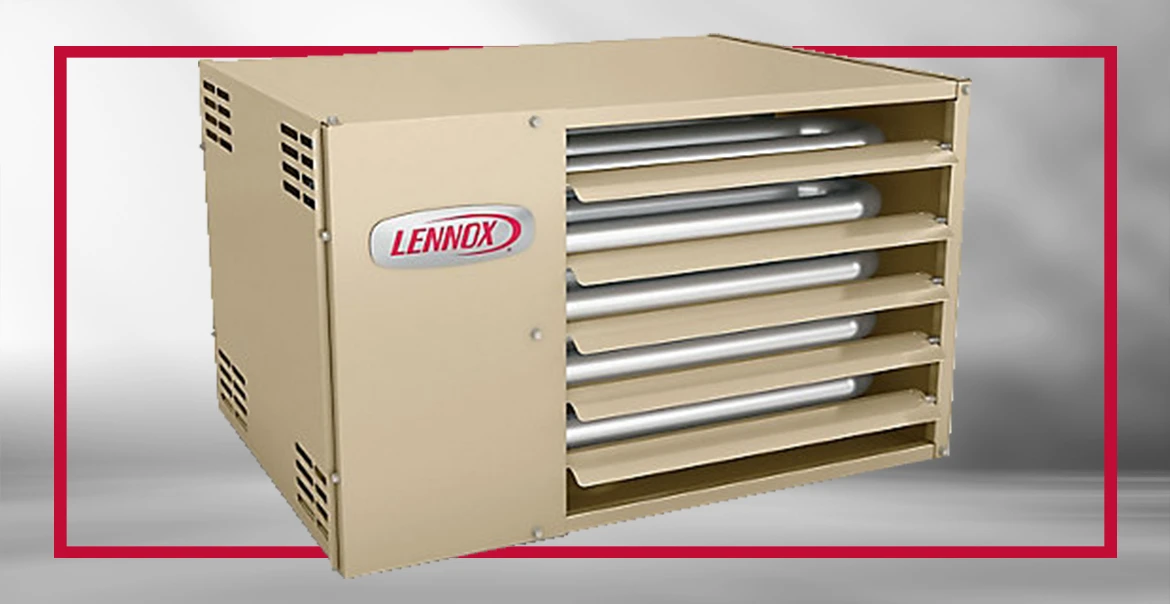
Why a Garage Heater Can Transform Your Home?
Your garage is more than a place to park. It's a workshop, a gym, a storage hub, and sometimes the hardest-working room in your home. But without the right heating system, it’s harder to use your garage to its fullest potential. Installing a garage heater gives you control over that space, especially when temperatures drop. This guide walks you through everything you need to know: the types of heaters available, whether a permanent system makes sense for your home, what a professional installation actually looks like, and how to keep your heater performing at its best long after install day.
Benefits of Installing a Garage Heater
A heated garage does more than keep you warm: it protects what matters. Freezing temperatures can damage stored tools, vehicles, and equipment in ways that are costly to fix. A reliable heating system keeps those items safe and your garage usable all year long.
Here's what a well-installed garage heater delivers:
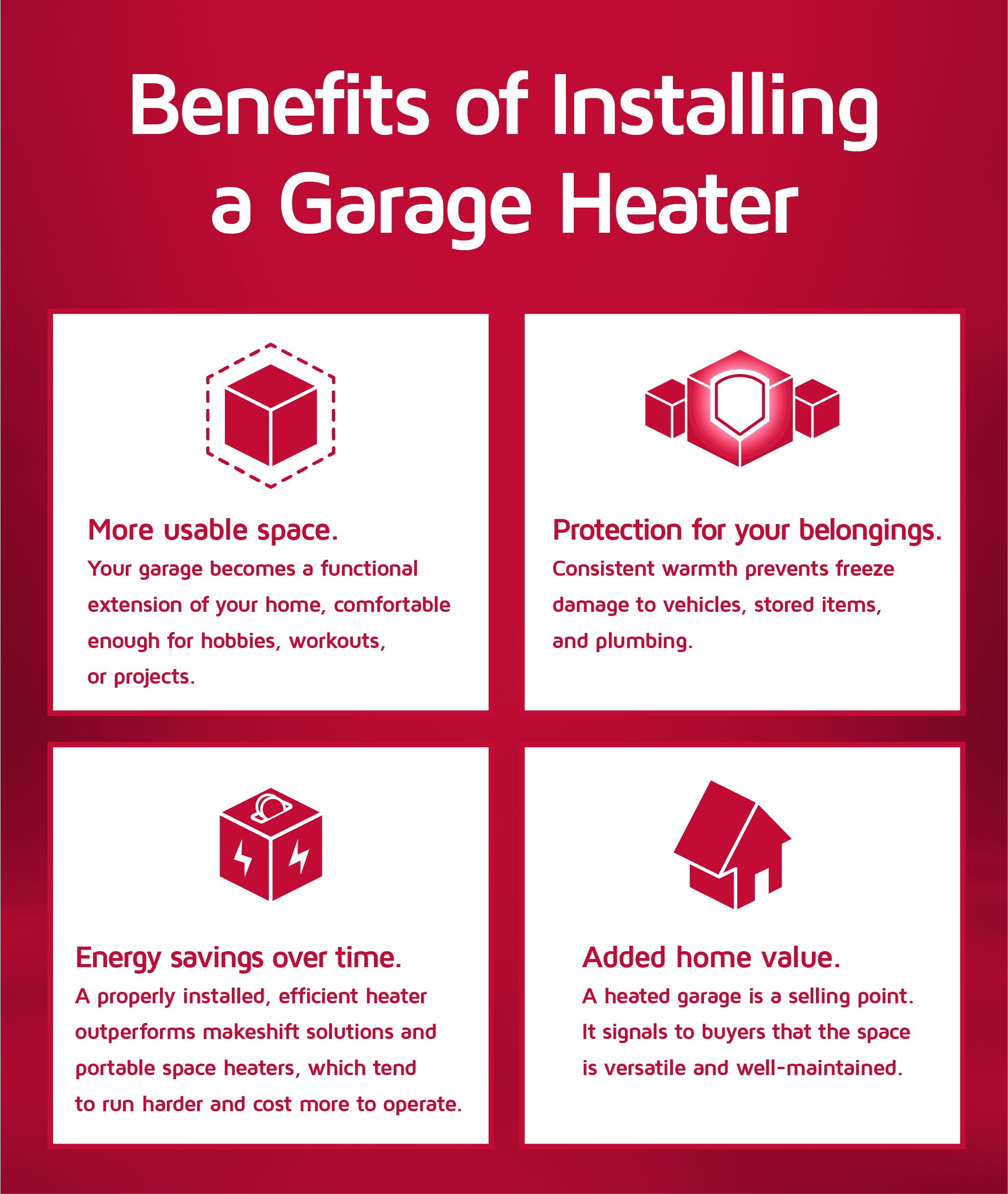
More usable space. Your garage becomes a functional extension of your home, comfortable enough for hobbies, workouts, or projects.
Protection for your belongings. Consistent warmth prevents freeze damage to vehicles, stored items, and plumbing.
Energy savings over time. A properly installed, efficient heater outperforms makeshift solutions and portable space heaters, which tend to run harder and cost more to operate.
Added home value. A heated garage is a selling point. It signals to buyers that the space is versatile and well-maintained.
Overview of Garage Heater Types
Different garages call for different solutions. The two most common options are gas and electric.
Gas Garage Heaters: Built for larger spaces, gas heaters run on natural gas or propane and deliver powerful, consistent heat. They require a gas line connection and proper venting to safely manage exhaust. They're a strong choice when heating capacity and long-term cost-effectiveness are the priority.
Electric Garage Heaters: Ideal for smaller garages or homes without gas line access. Electric heaters are easier to install and require minimal maintenance. They need a dedicated circuit for safe operation and work well in spaces where simplicity matters.
The right choice depends on your garage size, your available energy sources, and how you use the space. A licensed HVAC professional can help you land on the best fit.
Which Garage Heater is Right for Your Home?
Before committing to either a permanent or portable garage heater, it helps to think through how you want to use the space.
A permanent garage heater makes the most sense when:
Your garage doubles as a workspace or hobby room you use regularly.
You live in a climate with harsh winters where pipes or stored items are at real risk of freezing.
You want long-term energy efficiency and savings over the cost of running portable heaters season after season.
A portable heater might be enough when:
Your garage use is occasional and limited to milder weather.
You're in a region where temperatures rarely dip below freezing.
You need a short-term solution while you plan a larger home improvement project.
Portable heaters are convenient, but they come with limits. They heat unevenly, cycle on and off constantly, and can drive up energy bills without delivering consistent comfort. A built-in garage heater, sized and placed correctly by a professional, heats the whole space evenly and efficiently. Over time, that efficiency translates directly into savings.
The Importance of Professional Installation
Before a single connection is made, a licensed HVAC professional conducts a thorough assessment of your garage and your home's infrastructure. This step is what separates a system that performs from one that falls short.
Here's what they evaluate:
Garage size, ceiling height, and layout. Proper sizing is the single most critical factor in garage heater performance. A unit that's too small will run constantly and still leave you cold. One that's too large will short-cycle, waste energy, and wear out faster. A professional calculates the exact heating load your space requires so the system is matched perfectly to the room.
Insulation and air sealing. Even the best heater loses its effectiveness in a poorly insulated space. A pro assesses your current insulation and identifies any gaps in air sealing that would cause heat to escape, drive up energy costs, and compromise indoor air quality. Optimized insulation and ventilation work together to keep the warm air in and the cold air out.
Electrical or gas supply availability. Not every garage has the infrastructure in place to support a new heating system. A professional confirms whether your home's electrical panel or gas line can handle the load, and identifies any upgrades needed before installation begins.
Venting requirements and clearances. For gas heaters, proper venting is non-negotiable. Exhaust gases, including carbon monoxide, must be safely directed out of the space. A licensed installer ensures your venting is correctly sized, properly routed, and positioned to eliminate any risk of toxic gas buildup.
Local building codes and safety standards. Every installation must comply with local regulations. A professional handles the permits, inspections, and documentation so your system is fully code-compliant and your home is protected.
Safety Considerations Every Homeowner Should Know
Carbon monoxide risks. Gas heaters produce exhaust. Without proper ventilation, that exhaust can build up indoors. A professional ensures your venting is correctly sized and positioned to eliminate that risk.
Thermostat placement. Where your thermostat sits matters. Poor placement leads to inaccurate readings and overheating. A pro puts it exactly where it needs to be.
Fire and air quality risks. Professional installation significantly reduces the chance of fire caused by improper wiring or gas connections, and it protects the air quality in your garage and your home.
How Professionals Install a Garage Heater?
Once the assessment is complete, the installation follows a clear, proven process:
Choosing the right location. The heater is positioned to distribute heat evenly across the space, free from obstructions that would block airflow.
Making electrical and gas connections. Every connection is secured and tested to prevent leaks or energy inefficiency. This is where professional expertise pays off most.
Testing the system. Before the job is done, the heater is run through a full performance check to verify it meets safety standards and heats the space as expected.
Pulling permits and confirming code compliance. Your pro handles the paperwork, so your installation is fully documented and legally compliant.
Most garage heater installations take between 3 and 5 hours. More complex setups, like homes that need new gas line runs or upgraded electrical circuits, may take longer. Your installer will walk you through what's needed before the work begins, so there are no surprises. Plan to have the garage cleared and accessible, and expect your pro to test the system before they leave.
Operating and Maintaining Your Garage Heater
A well-maintained heater is a long-lasting heater. Here are the basics every homeowner should stay on top of:
Filter replacement. Clean filters keep your air quality high and your system running efficiently. Check them regularly and replace as needed.
Thermostat settings. A smart home thermostat gives you precise control over your garage temperature, helping you stay comfortable without wasting energy. Set it to match how you actually use the space.
Annual professional checks. Once a year, have a licensed technician inspect your system. They'll catch small issues before they become expensive ones, confirm your heater is running efficiently, and extend its lifespan.
Signs Your Garage Heater Needs Service
Uneven heating or cold spots that weren't there before
Unusual sounds during startup or operation
A noticeable spike in your energy bills without a change in usage
The heater is cycling on and off more frequently than usual
If you notice any of these, don't wait. Call a professional before a small issue becomes a full replacement.
Is a Garage Heater Right For You?
Installing a garage heater is one of the smartest upgrades you can make to your home, turning a cold, underused space into a room that works for you every single day. The key is getting it right from the start: the right heater type, the right size, and a professional installation that handles every safety and code requirement. Pair that with regular maintenance and a smart thermostat, and you've got a system built to deliver comfort and efficiency for years to come.
We’re here to help make home comfort solutions a little clearer and a lot less stressful.
No Worries. It’s a Lennox.