
Hot water is one of those home comforts you don't think about until it's gone. When your water heater's pilot light keeps going out, it doesn't just mean a cold shower. It can be a signal that something deeper is happening within your water heater. The good news? Many of the causes are identifiable, and some are even fixable without a service call.
In this post, we walk through what the pilot light does, why it keeps going out, how to troubleshoot it safely, and when it's time to bring in a professional. Understanding these factors puts you back in control of your home's hot water.
What the Pilot Light Actually Does?
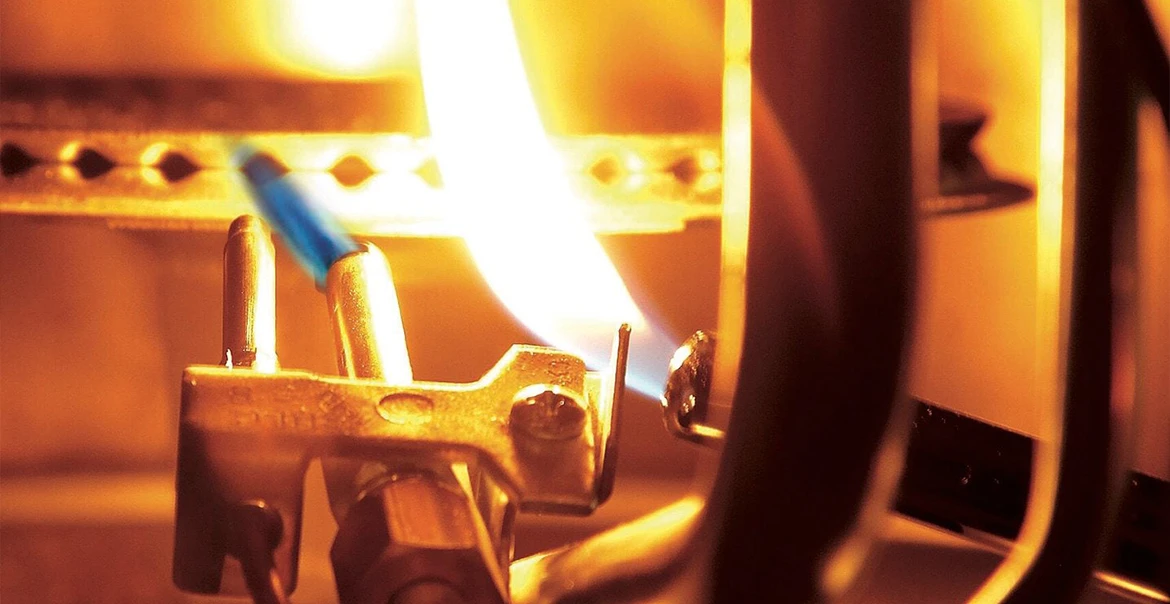
The pilot light in your gas water heater is a small, continuously burning flame that’s not found in an electric water heater. Its job is straightforward: when your water heater calls for heat, the pilot light ignites the main gas burner. Think of it as the spark that starts the whole process.
Without a functioning pilot light, the gas burner won't fire, and your water won't heat. That's why a pilot light that won't stay lit isn't just an inconvenience. It's a sign that something in the ignition chain needs attention.
A healthy pilot light burns steadily with a blue flame. That consistent burn is what tells the thermocouple, a key safety component, that it's safe to keep the gas valve open and the system running. When the flame goes out, the thermocouple shuts the gas valve as a safety measure. No flame, no hot water.
Signs Your Pilot Light Is Failing
Before diving into causes, it helps to know what a struggling pilot light looks like. Watch for these warning signs:
A weak or flickering flame that can't hold steady, often pointing to a blockage or insufficient gas pressure
A pilot light that goes out immediately after releasing the reset button, which typically signals a thermocouple issue
A yellow or orange flame instead of blue, which suggests improper combustion and an imbalanced air-gas mixture
Intermittent hot water, where your supply cuts in and out because the pilot light keeps extinguishing throughout the day
If you're seeing any of these, it's time to dig into the cause.
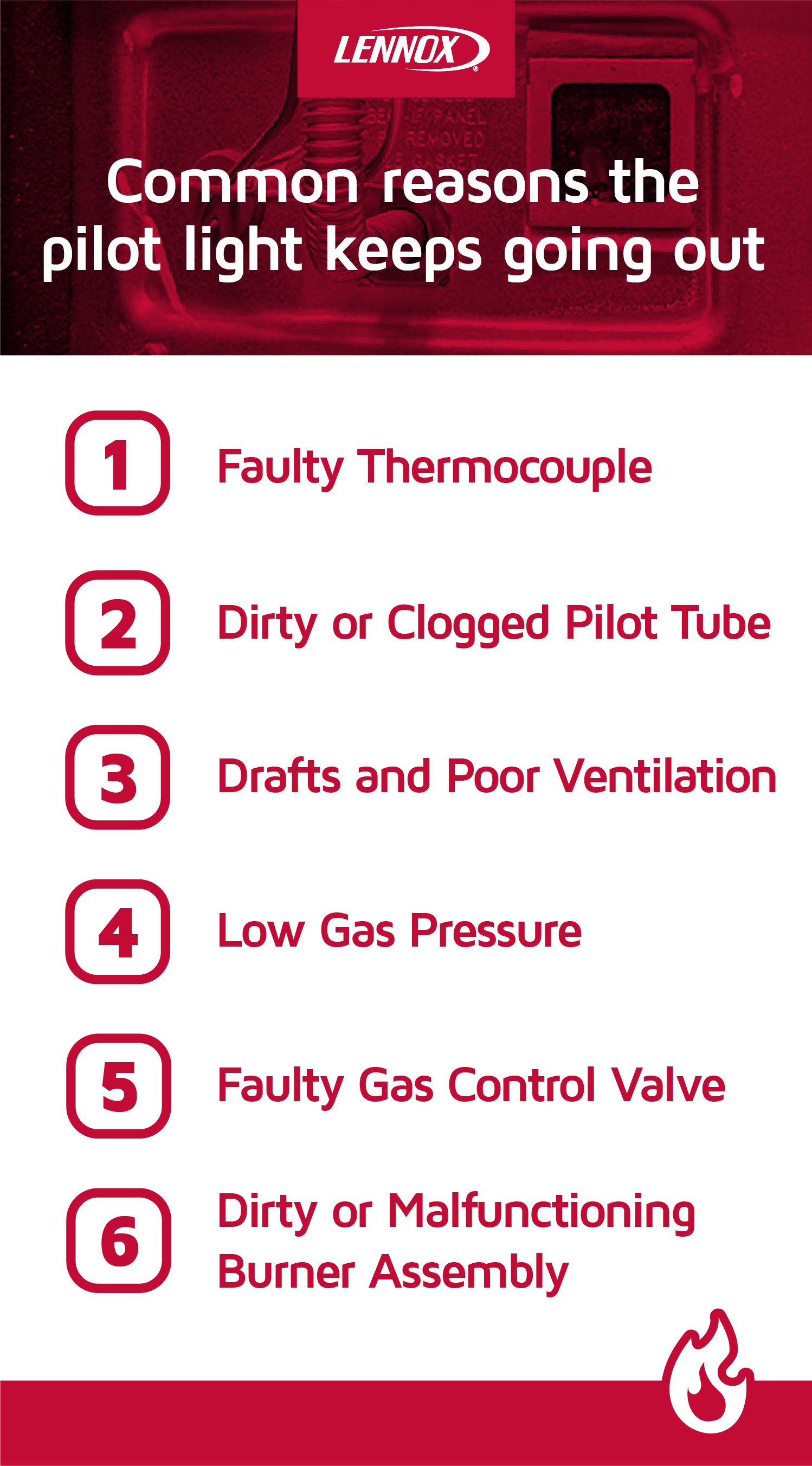
Common Reasons a Gas Water Heater Pilot Light Keeps Going Out
Faulty Thermocouple
This is the most frequent cause. The thermocouple is a safety sensor positioned right next to the pilot flame. It detects whether the flame is lit and signals the gas valve to stay open. When the thermocouple wears out or gets bent away from the flame, it reads no heat and shuts off the gas, even when the pilot is burning fine. If your pilot light goes out the moment you release the reset button, a failing thermocouple is the most likely explanation.
Dirty or Clogged Pilot Tube
Over time, dust, mineral deposits, and debris can accumulate inside the small tube that supplies gas to the pilot flame. A partial blockage reduces gas flow, producing a weak flame that can't sustain itself. Regular cleaning helps prevent this from becoming a recurring problem.
Drafts and Poor Ventilation
Air movement around your water heater can snuff out the pilot flame, especially if the unit is near a door, window, or vent. Even subtle drafts from HVAC airflow can be enough to extinguish a small flame. Checking the area around your water heater and addressing airflow issues can make a real difference.
Low Gas Pressure
If the gas supply to your home or water heater isn't delivering adequate pressure, the pilot flame won't have enough fuel to stay lit. Call your gas provider or a licensed technician to verify that supply pressure meets the heater's requirements.
Faulty Gas Control Valve
The gas control valve regulates the flow of gas to both the pilot and the main burner. When it starts to malfunction, the gas supply becomes inconsistent, and the pilot flame pays the price. An unreliable gas control valve usually requires professional replacement.
Dirty or Malfunctioning Burner Assembly
Blocked or dirty burners disrupt combustion, which can affect the pilot light's ability to stay on consistently. If the burner assembly hasn't been cleaned in a while, that buildup could be contributing to the problem.
Troubleshooting Your Water Heater Pilot Light
If your pilot light has simply gone out, here's how to relight it safely. This process applies to most gas water heaters with a manual pilot:
Turn off the gas
Rotate the gas control knob to the "off" position and wait at least five minutes for any residual gas to clear the area.
Set the control to "pilot"
Once the area is clear, turn the knob to the "pilot" setting.
Press and hold the ignition button
While holding the button down, press the igniter or use a long lighter to ignite the pilot flame. Hold the button for about 60 seconds to give the thermocouple time to heat up and register the flame.
Release and check
Slowly release the button. If the flame stays lit, turn the knob to "on" and set your desired temperature. If it goes out again, that's a strong indicator of a thermocouple or gas supply issue.
Checking for Gas Supply Issues and Cleaning the Pilot Assembly
If relighting doesn't hold, check whether gas is flowing properly to the unit. Make sure other gas appliances in your home are working. If they're not, contact your gas provider right away.
For the pilot assembly itself, a gentle cleaning can clear minor blockages. Turn off the gas completely before doing anything. Use a can of compressed air or a thin brush to clear debris from the pilot tube opening. Avoid using water or liquid cleaners near any gas components. A clear pilot tube means consistent gas flow and a steadier flame.
Make sure to take a look at the space around your water heater. Drafts from nearby doors, windows, or vents can snuff out a pilot flame even after a fresh relight. Clear away any clutter within a few feet of the unit and make sure nothing is blocking the air intake. Good airflow keeps combustion stable and gives your pilot light the best chance of staying on.
Safety Precautions to Keep in Mind
Working around a gas water heater requires care. A few non-negotiables:
Always shut off the gas before inspecting or cleaning any components. Never skip this step.
If you smell rotten eggs, stop immediately. That odor is added to natural gas so you can detect leaks. Don't flip any switches. Leave the house and call your gas provider from outside.
Don't attempt to relight the pilot repeatedly in quick succession. If it won't stay lit after a couple of tries, that's a signal to call a professional rather than keep trying.
When to Call a Licensed Plumbing Contractor?
Some pilot light issues go beyond what a homeowner should handle. Reach out to a licensed plumbing contractor when:
The pilot light goes out immediately after releasing the reset button, even after multiple attempts, pointing to a thermocouple that needs replacement
You suspect low gas pressure or issues with the gas supply line
The gas control valve appears to be regulating inconsistently
You've noticed a yellow flame, unusual odors, or any signs of a gas leak
A professional technician can also provide water heater support besides pilot light repairs, including full system diagnostics, burner assembly inspections, and safety checks that go well beyond what's visible to the eye.
Keeping Your Water Heater Running Its Best
Routine care goes a long way toward preventing pilot light problems before they start. Here's what homeowners can do on their own:
Monthly: Visually inspect the pilot flame. A steady blue flame is a good sign, while a flickering or yellow flame is a reason to investigate further. Clear the area around the water heater of dust, debris, and anything that could obstruct airflow.
Every few months: Wipe down the exterior of the unit and check that vents and exhaust pathways are clear.
Annually: Have a licensed technician inspect the thermocouple, gas control valve, burner assembly, and overall system performance. Catching small issues early prevents larger repairs down the road.
For a deeper clean of the pilot tube and burner assembly, turn off the gas and use compressed air to clear any buildup from the pilot tube opening and burner ports. If you notice heavy corrosion or physical damage during this process, that's a job for a professional.
A Happy Heater is a Healthy Heater
A water heater pilot light that keeps going out is telling you something. Whether it's a worn thermocouple, a clogged pilot tube, a draft problem, or a gas supply issue, the cause is almost always identifiable with a little investigation. Some fixes are straightforward. Others need a trained hand.
We’re here to help make home comfort solutions a little clearer and a lot less stressful.
No Worries. It’s a Lennox.