
Why Should I Insulate My Water Heater?
Your water heater quietly does a lot of heavy lifting. It heats water, holds it at temperature, and stands by around the clock, ready whenever you need it. But here's the thing: without proper insulation, heat naturally transfers away from the tank into the surrounding air. That gradual temperature drop means your system has to fire up more often just to maintain the same level of warmth.
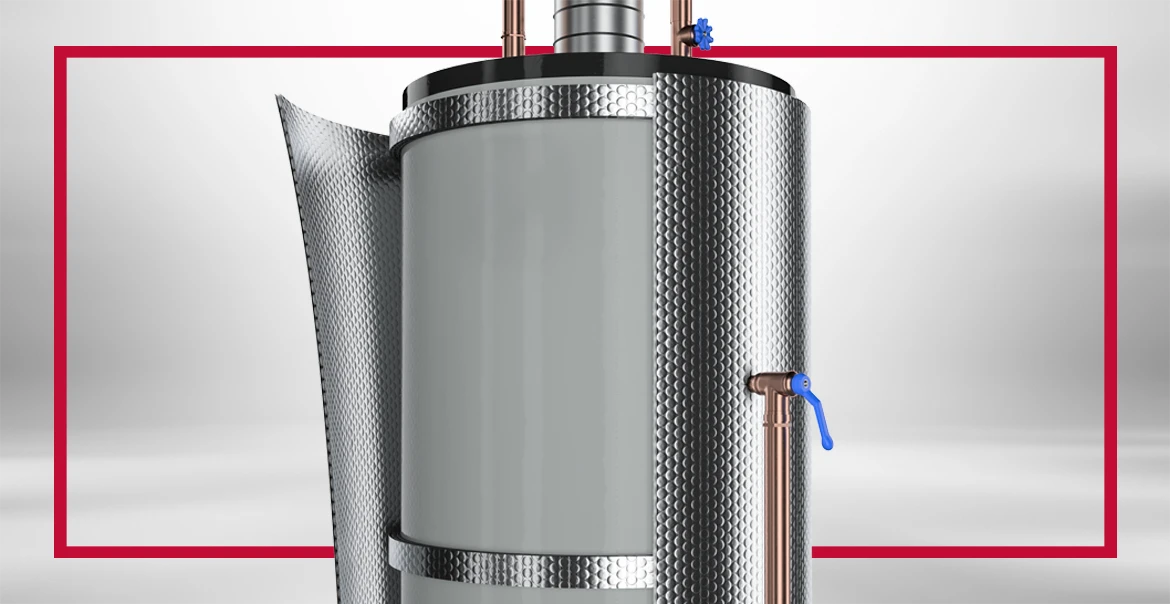
Water heater insulation changes that equation. By wrapping your tank in a specialized material designed to lock in heat, you make the most of your system’s energy by minimizing heat loss. The result is more consistent hot water, less strain on your equipment, and lower utility bills month after month.
What Is Water Heater Insulation?
At its core, water heater insulation is about keeping heat where it belongs: inside the tank. A layer of insulating material wrapped around your water heater acts as a thermal barrier, slowing the rate at which heat escapes into the surrounding air. The less heat that escapes, the less your system has to work to maintain your set temperature.
This matters most during the hours when no one is actively using hot water. That period can lead to standby heat loss, where uninsulated or under-insulated tanks quietly drain energy without delivering any comfort in return.
Why Older Water Heaters Benefit Most?
Older water heaters were built with minimal factory-installed insulation. The materials used in earlier designs simply weren't as effective at retaining heat as what's available today. If your unit has been running for several years, adding an insulation blanket can make a meaningful difference in how efficiently it operates and how long it continues to perform reliably.
Types of Water Heater Insulation
Not all insulation is the same, and the right choice depends on your setup. Here are the most common options:
- Insulation Blankets (Jackets): These wrap directly around the exterior of your tank and are available in fiberglass or foam materials. They're designed to fit a range of tank sizes and are one of the most widely used solutions for improving water heater insulation on existing units.
- Foam Pipe Insulation: This type wraps around the pipes connected to your water heater, slowing heat loss as water travels from the tank to your faucets. It's a smart complement to tank insulation and helps maintain temperature throughout the system.
- Built-In Factory Insulation: Many newer water heaters come with insulation already integrated into the tank design. These models offer a solid baseline of efficiency, though aftermarket insulation solutions can still provide an additional layer of thermal protection.
How Water Heater Insulation Works?
The principle is straightforward: insulation slows the transfer of heat from the warm water inside your tank to the cooler air around it. The longer your tank holds its temperature, the less frequently the heating element needs to kick on.
Reducing Standby Heat Loss
Standby heat loss is the quiet efficiency killer in most homes. When your water heater sits idle, heat naturally migrates outward through the tank walls. Insulation interrupts that process, keeping water at temperature longer and reducing the number of reheating cycles your system runs through each day.
For homes in colder climates or with tanks located in unheated spaces like garages or basements, this benefit is even more pronounced. Proper insulation also helps protect larger tanks from freeze-related performance issues during extreme cold.
Benefits of Water Heater Insulation
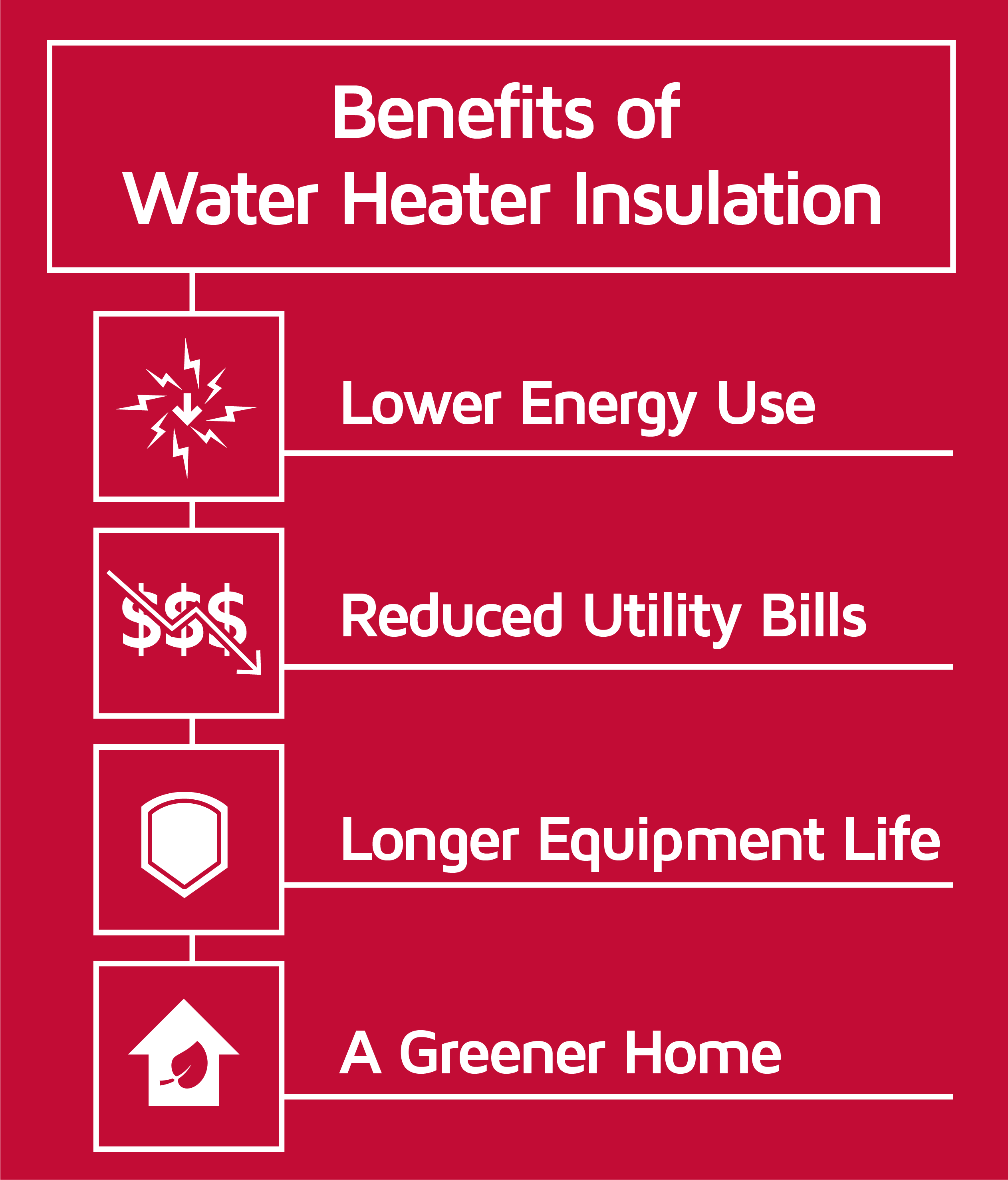
There may be more benefits to insulating your water heater than you think. Here's what you stand to gain:
- Lower Energy Use: Fewer reheating cycles mean your system draws less power overall, which reduces your home's energy footprint.
- Reduced Utility Bills: Less energy consumed translates directly to savings on your monthly bills, particularly during colder months when demand is higher.
- More Consistent Hot Water: An insulated tank maintains a steadier temperature, so you're less likely to experience water temperature fluctuations, whether you're the first or last person to shower.
- Longer Equipment Life: When your water heater doesn't have to work as hard, it experiences less wear over time. That means fewer repairs and a longer operational lifespan.
- A Greener Home: Reducing energy consumption is one of the most practical ways to lower your household's environmental impact. Better insulation means less reliance on continuous heating cycles and the energy they consume.
Signs Your Water Heater May Need More Insulation
An improperly insulated water heater often gives you signals you may not recognize. Watch for these:
- The tank exterior feels warm to the touch. Heat radiating off the outside of the tank is heat that's escaping, not staying in the water where it belongs.
- Your energy bills have crept up without a clear reason. Unexplained increases in utility costs can point to a system that's working harder than it should to maintain temperature.
- Hot water runs out faster than it used to. Inconsistent supply is often a sign that your tank is losing heat between uses and struggling to keep up with demand.
- Your unit is older. If your water heater has been in service for a number of years, it likely has minimal factory insulation.
Why Professional Installation Makes a Difference?
Getting insulation on your water heater might seem like a small job, but the details matter. An improperly fitted blanket can block critical components like the thermostat, pressure relief valve, or flue opening, creating safety risks and reducing the effectiveness of the insulation itself.
A professional installer knows exactly how to fit insulation around your specific unit without compromising any of its components. They can also evaluate your pipes, assess whether your current setup would benefit from additional solutions, and handle multi-tank or more complex configurations with confidence. A local Lennox dealer can evaluate your system and recommend the right approach for your home.
More Comfort, Less Stress
A well-insulated water heater is quieter and more efficient. It holds heat longer, runs less often, and delivers the consistent hot water your household counts on without the energy waste of an uninsulated tank. Whether your unit is aging or simply running in a cold space, insulation is one of the most practical improvements you can make.
Ready to take the next step toward a more efficient home? Explore Lennox water heaters and find the right solution for your comfort.
We’re here to help make home comfort solutions a little clearer and a lot less stressful.
No Worries. It’s a Lennox.™