
When the temperature drops, your furnace becomes the heart of your home, keeping every room warm and your family comfortable. But what happens when that system starts to struggle? If you're dealing with uneven heating, rising energy bills, or constant repairs, it might be time to consider replacing your furnace. Luckily, new furnaces can transform your home by improving safety, enhancing air quality, and lowering costs over time.
Replacing a furnace isn't just about swapping out old equipment. It's about improving the way your home feels every day. A new, energy-efficient system can lower your monthly costs, deliver consistent warmth to every corner of your house, and give you peace of mind knowing your family is safe. Let's walk through what you need to know to make the right choice.
Signs That Indicate Your Furnace Needs Replacement
Your furnace will tell you when it's ready to retire; you just need to know what to look for. Here are the most common warning signs:
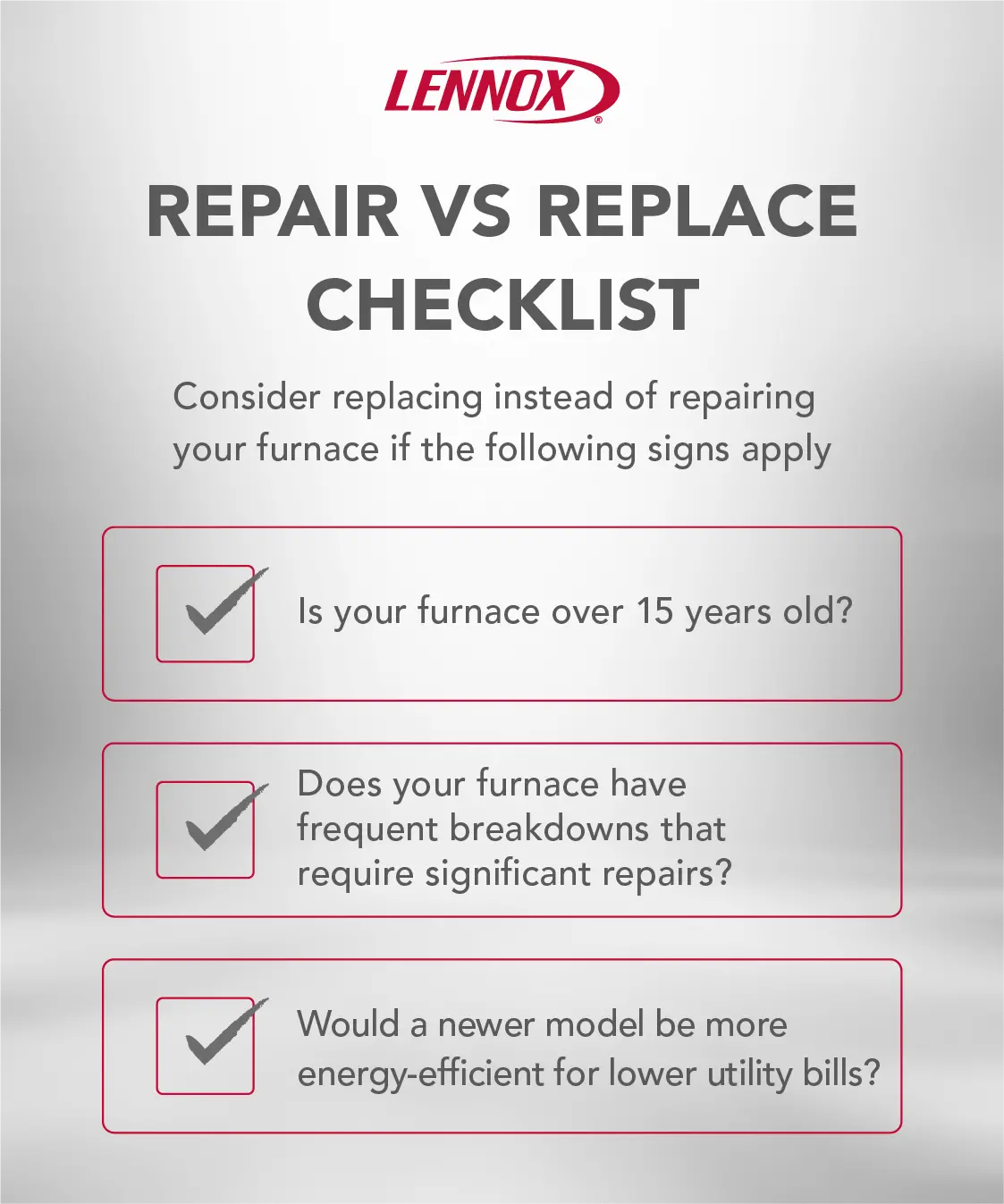
- Age matters: Most furnaces last between 15 and 20 years. If yours is approaching or past that mark, replacement is usually smarter than repair, even if it still runs. Older systems lose efficiency over time, requiring more effort and costing more to operate.
- Frequent repairs add up: If you're calling for service multiple times a season, those repair bills can quickly rival the cost of a new system. When repairs become routine, it's time to consider replacement.
- Your energy bills keep climbing: An aging furnace has to run longer to heat your home, which drives up energy costs. If your bills are rising without a change in usage, your system is likely losing efficiency.
- Uneven heating throughout your home: Cold spots in certain rooms or floors that never seem to warm up are signs that your furnace can't distribute heat evenly anymore.
- Strange, new noises or smells: Banging, rattling, or humming, along with unusual odors, can signal serious mechanical issues or even safety concerns, such as a cracked heat exchanger.
Benefits of Upgrading to a New Furnace
Investing in a new furnace does more than fix a problem; it transforms your home's comfort and efficiency.
- Lower energy bills: Modern furnaces are built to use less energy while delivering more heat. High-efficiency models can reduce your heating costs by up to 30%, putting money back in your pocket every month.
- Consistent, reliable comfort: New systems heat your home evenly, eliminating cold spots and keeping every room at the temperature you want.
- Improved safety: Today's furnaces come with advanced safety features that reduce the risk of carbon monoxide leaks and other hazards. You'll rest easier knowing your family is protected.
- Quieter operation: Higher efficiency models run much quieter than older systems, so you are less likely to hear constant cycling or loud startup sounds.
- Better air quality: Many modern furnaces work seamlessly with air purification systems and advanced filters, helping remove dust, allergens, and other contaminants from your home's air.
How Furnace Efficiency Impacts Energy Bills?
Efficiency isn't just a buzzword; it's the key to long-term savings. Furnace efficiency is measured by the Annual Fuel Utilization Efficiency (AFUE), which indicates how much of the fuel your system uses actually turns into heat for your home.
An older furnace might have an AFUE of 60% to 70%, meaning 30% to 40% of the energy you're paying for goes to waste. A high-efficiency Lennox furnace can reach AFUE ratings of 98% or higher, converting nearly all the fuel into usable heat. Over the life of the system, that difference can save you thousands of dollars.
Choosing the Right Furnace for Your Home
Not all furnaces are created equal, and the right choice depends on your home's specific needs.
- Types of furnaces: gas, electric, and oil. Gas furnaces are the most popular choice for their efficiency and cost-effectiveness. Electric furnaces are safe, easy to install, and ideal for homes without natural gas access. Oil furnace replacement is common in areas where oil is the primary heating fuel, though these systems are becoming less common as homeowners shift to cleaner options.
- Size and capacity: A furnace that's too small won't heat your home correctly, while one that's too large will waste energy by constantly cycling on and off. A qualified Lennox dealer can perform a load calculation to determine the right size for your space.
- Efficiency ratings: Look for systems with high AFUE ratings to maximize savings. Lennox offers a range of high-efficiency furnaces designed to lower your energy use without sacrificing comfort.
- Smart controls and zoning: Pairing your new furnace with a smart thermostat gives you precise control over your home's temperature and lets you adjust settings from anywhere. Zoning systems allow different rooms to maintain different temperatures, so everyone stays comfortable.
Cost to Replace a Furnace
Home furnace replacement is an investment, and understanding the costs helps you plan ahead. The cost to replace a furnace typically ranges from $3,000 to $7,500, depending on the system type, efficiency level, and installation complexity.
While upfront costs matter, don't forget to factor in long-term savings. A high-efficiency system may cost more initially, but lower energy bills and fewer repairs mean it pays for itself over time. Many Lennox dealers also offer financing options to make the investment more manageable.
A well-maintained furnace runs more efficiently, which keeps your energy bills lower and extends the system's lifespan, often by several years. Think of maintenance as insurance for your investment: spending a little now saves you a lot later, while keeping your home consistently comfortable season after season.
Do I Need to Hire a Professional?
This is one area where professional expertise is non-negotiable. Furnace installation involves gas lines, electrical connections, ductwork modifications, and safety checks that require specialized training and licensing. Improper installation can lead to dangerous situations, voided warranties, and costly repairs down the road.
A certified Lennox dealer will size your system correctly, install it safely, and make sure everything runs smoothly from day one. They'll also help you understand your warranty and schedule regular maintenance to keep your furnace running efficiently for years.
Make the Right Choice for Your Home
Furnace replacement is a decision that impacts your family's comfort, safety, and budget for years to come. By recognizing the signs that it's time to upgrade, understanding the benefits of modern systems, and choosing the right furnace for your home, you're taking control of your indoor environment.
Ready to explore your options? Connect with a Lennox dealer near you to get expert advice, a personalized recommendation, and a system that's built to keep your home comfortable season after season.