
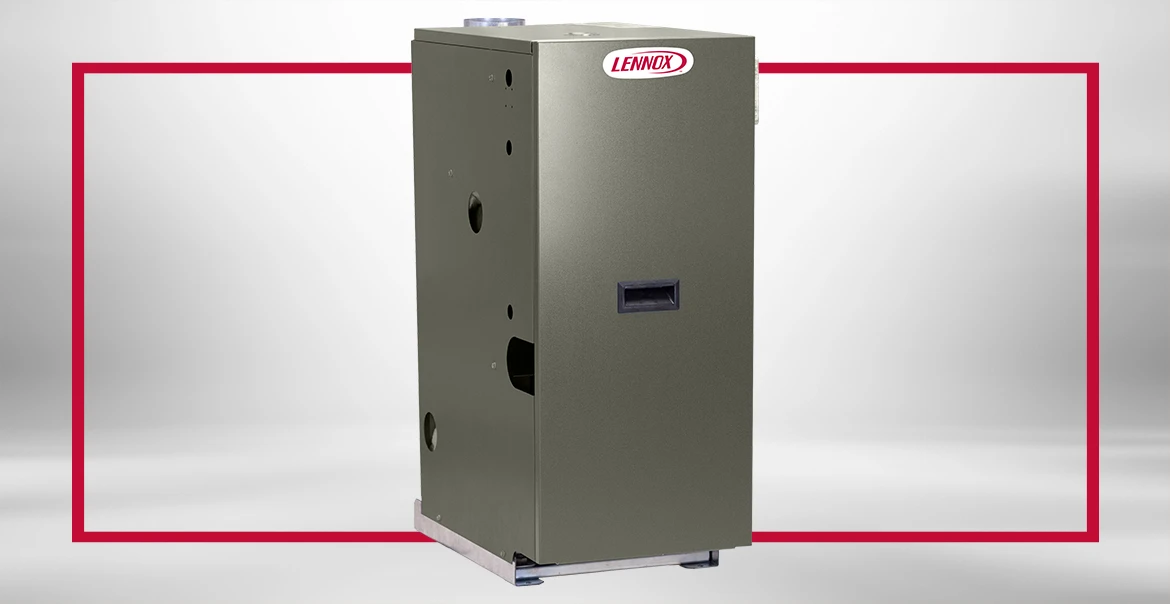
Turning Your Boiler On
Whether you've just had a new boiler installed or you're restarting a system after a period of downtime, knowing how to turn it on correctly makes all the difference. A boiler that properly starts means reliable warmth, consistent hot water, and a system that runs the way it should. This guide walks you through everything you need to know, from understanding your system's key components to completing the startup sequence safely and confidently.
Understanding Your Boiler System
Your boiler is the heart of your home's heating. It heats water to a high temperature and then distributes that warmth throughout your living spaces via radiators or underfloor heating systems, delivering steady, even comfort throughout your living space.
- Types of Boilers and Their Functions
Boilers come in several configurations. Gas-fired models, which run on natural gas or propane, are the most widely used because they heat water quickly and cost-effectively. Oil-fired boilers are a solid option in areas where natural gas isn't available. Electric boilers tend to work well in regions with lower electricity costs and offer the added benefit of zero direct emissions.
- Components of a Boiler System
Getting familiar with your boiler's key parts gives you more control over how it runs. The main components to know are:
- Thermostat: Controls when the boiler fires up based on your desired temperature
- Gas valve: Regulates fuel flow into the system
- Pressure relief valve: A critical safety feature that releases pressure if it builds too high
- Electronic ignition: Lights the burner on demand, replacing the older standing pilot light
- Vent dampers: Help regulate airflow and maintain efficiency throughout operation
One of the most notable improvements in modern HVAC systems is the electronic ignition system. Rather than keeping a pilot light burning around the clock, electronic ignition fires the burner only when heat is needed. That means better efficiency and fewer chances for something to go wrong.
- How Boilers Provide Heat and Hot Water
When your thermostat calls for heat, the boiler fires up and heats water in its tank or heat exchanger. That hot water then travels through your home's piping system and into radiators, baseboard heaters, or radiant floor systems, releasing steady warmth into each room. For domestic hot water, most standard boilers work alongside a separate storage tank, heating water and holding it until you need it at the tap. Combi boilers take a different approach, handling both home heating and on-demand hot water from a single unit, so there's no separate tank required and no waiting for stored water to reheat.
Safety Precautions Before Turning On the Boiler
Before you hit the power switch, run through these checks. A few minutes of preparation protects both your system and your home.
- Check for Gas Leaks
Make sure the gas valve is fully open so fuel can reach the burner. If you detect a gas smell at any point, do not attempt to start the boiler. Leave the area, ventilate the space, and contact a professional immediately.
- Inspect for Visible Damage or Loose Connections
Walk around your boiler and inspect the pipes and connections. Cracks, corrosion, or loose fittings can cause leaks or bigger problems down the line. Address anything that looks worn or out of place before proceeding.
- Ensure Proper Ventilation Around the Unit
Your boiler needs adequate airflow to operate safely. Clear away any items stored near the unit and make sure vents and flue passages are unobstructed. Blocked ventilation is one of the more common reasons a boiler won't turn on or run efficiently.
- Verify Correct Water Pressure
Check the pressure gauge on your boiler. Most systems should read a steady 1.5 bars. If the reading is too low or too high, the system may not fire up at all, or it could operate in a way that stresses the components. A pressure reading outside the normal range is worth a call to a professional before you proceed.
- Review Manufacturer Safety Guidelines
Your boiler's manual is the most reliable source for model-specific startup instructions. Take a few minutes to review it, especially if this is your first time starting the system or if it's been sitting idle for an extended period.
Steps to Turn On Your Boiler
Once your safety checks are complete, starting the boiler is a simple sequence.
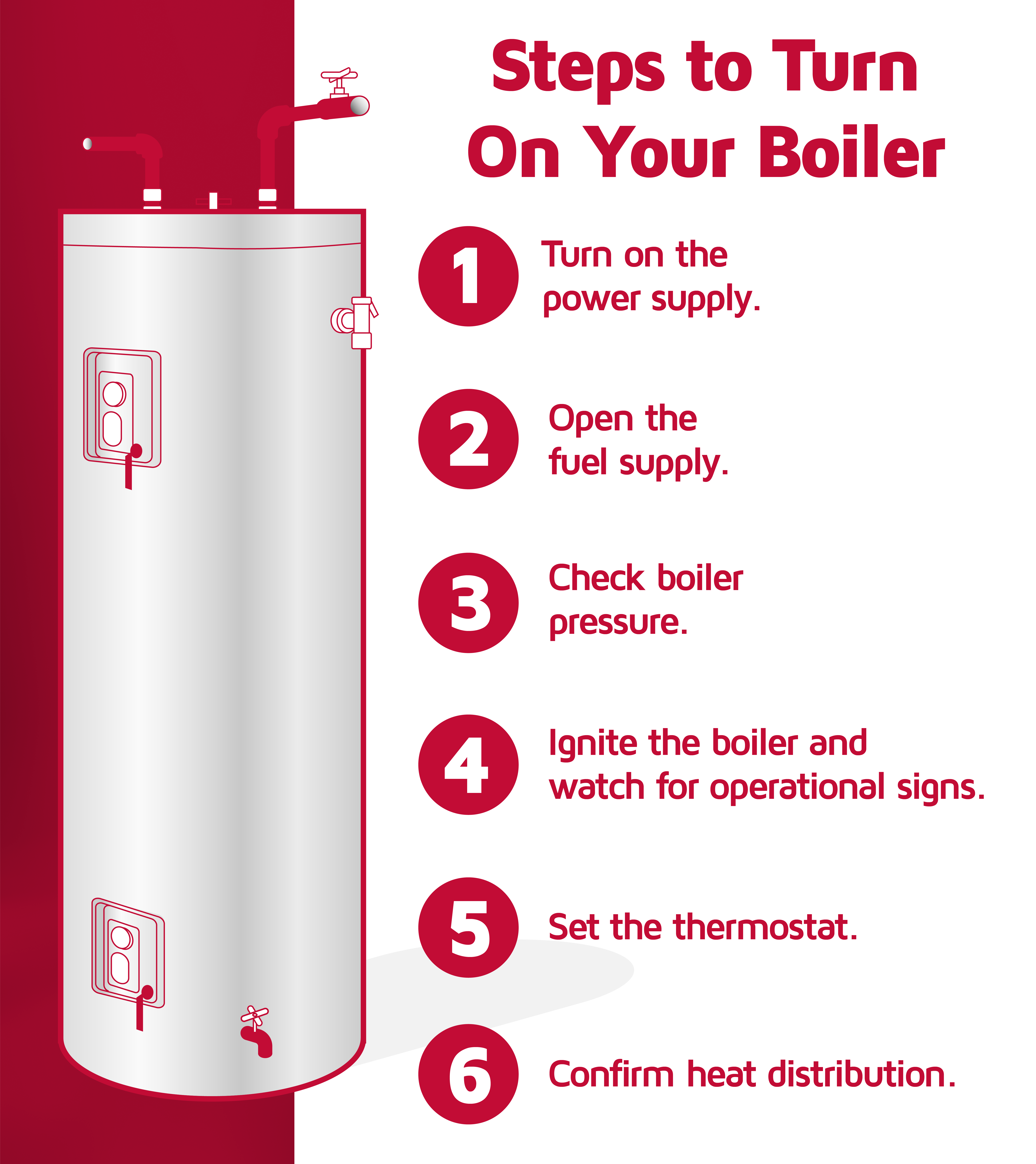
- Turn on the power supply. Locate the main power switch, typically found on or near the unit, and switch it on. Many modern boilers run a brief self-diagnostic when power is restored, so give it a moment before moving to the next step.
- Open the fuel supply. If you have a gas boiler, confirm the gas supply valve is in the open position. For oil-fired systems, verify that the oil tank has adequate fuel.
- Check boiler pressure. Take one more look at the pressure gauge to confirm it's still reading around 1.5 bars before ignition.
- Ignite the boiler and watch for operational signs. Most modern boilers ignite automatically via the electronic ignition system. You may hear a soft click as the gas lights. The display panel should show normal operating indicators. If you see an error code instead, consult your manual before proceeding.
- Set the thermostat. Adjust your thermostat to a temperature above the current room reading. This signals the boiler to begin a heating cycle. If your home uses a smart thermostat, this is a good time to confirm your schedule and settings are dialed in.
- Confirm heat distribution. Give the system 15 to 20 minutes to warm up, then check that heat is reaching your radiators or floor zones evenly. If certain areas feel cold, check that the flow valves on those radiators are fully open.
Common Issues When Turning On a Boiler
Even with everything in order, boilers can sometimes push back. Here's what to look for:
- Boiler won't ignite: Often tied to a closed gas valve, a tripped circuit breaker, or a fault with the ignition system itself.
- Low-pressure reading: The system may need to be repressurized through the filling loop. Check your manual for the correct procedure.
- Error codes on the display: Each code points to a specific issue. Your manual will have a full list, and many manufacturers also publish these online.
- No heat or hot water: This can stem from a faulty thermostat, a stuck zone valve, or an issue with the pump that circulates water through the system.
- When to use the reset button: If the boiler locks out after a failed ignition attempt, a single reset is worth trying. If it locks out again immediately, stop and call a technician rather than continue resetting.
When to Call a Professional?
Some situations call for an expert, and recognizing them early saves you from bigger headaches.
- Persistent ignition failures that don't resolve after a single reset
- Gas smell or suspected leaks anywhere near the unit or supply lines
- Repeated pressure drops that keep pulling the system out of its normal operating range
- Unusual noises or water leaks around the boiler or connected piping
- Signs of poor maintenance, such as visible corrosion, soot buildup, or a system that hasn't been serviced in over a year
A qualified HVAC technician can diagnose these issues quickly and get your system back to running the way it should.
Comfort That Lasts
Knowing how to turn on a boiler comes down to two things: following the right steps and recognizing when something is off. Run your safety checks, work through the startup sequence, and pay attention to what your system is telling you. And when something doesn't look or sound right, trust a professional to sort it out. That's how you keep your home comfortable and your boiler running strong for years to come.
We’re here to help make home comfort solutions a little clearer and a lot less stressful.
No Worries. It’s a Lennox.™