
Your air conditioner system does a lot more than just cool the air. It quietly works behind the scenes, managing heat transfer, airflow, and moisture to keep your home comfortable. But when something feels off, knowing the difference between your evaporator coil and your condenser coil will put you ahead of the game in knowing how your system operates and when maintenance is needed.
Understanding air conditioner components isn't just for technicians. It's for every homeowner who wants to feel confident about what's running in their home. Here's what you need to know.
How an Air Conditioner System Works?
Your home air conditioning system operates on one straightforward idea: remove heat from inside and send it outside. The result? A cool, comfortable indoor environment, no matter what the weather is doing.
At the center of that process is refrigerant, a substance that circulates through your system to absorb and transfer heat. Here's how it works:
The indoor unit, typically a furnace or air handler, draws warm air from your home across the evaporator coil, where refrigerant absorbs that heat.
The refrigerant carries the absorbed heat out to the outdoor condenser unit.
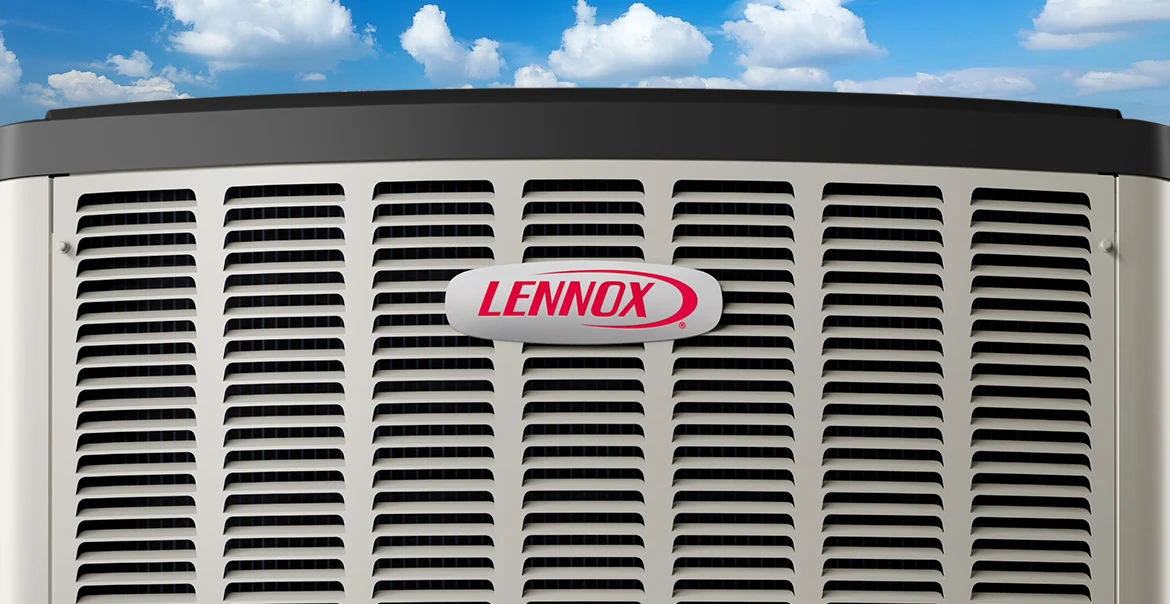
The outdoor unit, also known as the condenser, releases that heat into the outside air, and the refrigerant cools back down.
The cycle repeats continuously to maintain the comfortable temperature you've set on your thermostat.
Every single component in your system plays a role in making that heat transfer and airflow happen efficiently. Regular checks on both units keep this partnership running smoothly, so your home stays exactly the way you want it.
Outdoor Air Conditioner Components
Your outdoor unit handles the heavy lifting of expelling heat from your home. Here's what's working inside it:
Compressor: The "heart" of the system. Located in the outdoor condenser unit, the compressor pumps refrigerant through the entire system and compresses it into a high-pressure gas, which enables heat transfer.
Condenser Coil: This coil releases the heat that was absorbed from inside your home into the outside air. It's the handoff point where your home's heat leaves for good.
Outdoor Fan: Helps push that heat outside. Keep the area around the unit clear of vegetation and debris to support healthy airflow. Note: while homeowners can clear away leaves, branches, and debris from around the unit, you should not reach into the unit to pull anything out. Leave that to a professional.
Refrigerant: The substance that carries heat between your indoor and outdoor units. Proper refrigerant levels are essential. An undercharged or overcharged system leads to reduced efficiency and can cause lasting damage to the system.
Indoor Air Conditioner Components
Your indoor unit is equally important to achieving a comfortable home. To get the most out of your cooling system, understanding the indoor components of an air conditioner system will make maintenance much easier:
Evaporator Coil: This coil is where the cooling actually happens. The refrigerant evaporates here, pulling heat from your indoor air and leaving you with the cool comfort you're after.
Air Handler / Blower Fan: The air handler or furnace blower fan circulates conditioned air throughout your ductwork.
Air Filter: Removes dust, allergens, and contaminants from the air before it moves through the system. Replace your filter every 1 to 3 months, depending on usage and air quality.
Thermostat: The command center for your comfort. Smart thermostats allow for remote management and schedule programming, giving you effortless control over your home's temperature and helping reduce energy costs.
Ductwork: Channels conditioned air to every room in your home. Sealed and properly insulated ductwork is essential for minimizing energy waste and ensuring even distribution throughout the house.
Drain Line (Condensate Drain): Removes the moisture your system pulls from the air during the cooling process. A clogged drain line can lead to water damage and mold, so keeping it clear is an important part of routine maintenance.
Signs a Component May Be Failing
Catching a problem early can save you from a major repair down the road. Pay attention to these warning signs:
Weak or reduced airflow: If the air coming from your vents feels noticeably weaker than usual, it could point to an issue with the blower motor or a filter so clogged it's restricting airflow. Check and replace your filter first, and if the problem persists, call a pro.
Warm air coming from vents: When your system is running, but the air isn't cool, that's often a sign of refrigerant problems or compressor failure.
Strange noises from the indoor or outdoor unit: Rattling, banging, squealing, or grinding sounds are your system's way of asking for help. Unusual noises can point to loose parts, worn-out fans, or a failing compressor. The sooner you act, the better.
Water leaks near the indoor unit: Often caused by a clogged condensate drain line or condensation backup. Left unaddressed, it can cause water damage and mold growth.
Higher energy bills: A sudden spike in your utility costs without a change in your habits often signals that your system is working harder than it should, a common sign of reduced efficiency somewhere in the system.
Basic Maintenance Tips
A little regular care goes a long way in keeping your system running at its best:
Replace air filters every 1 to 3 months based on your household's usage and air quality needs.
Keep the outdoor unit clear of leaves, grass, and debris. Maintain a couple of feet of clearance around the unit for proper airflow. Do not reach inside the unit to remove debris yourself.
Check that vents and ducts are unobstructed. Furniture or blocked registers restrict air distribution and put extra strain on the system.
Schedule routine HVAC maintenance. Annual professional servicing ensures a comprehensive system check, catches small issues before they grow, and keeps your system running as efficiently as possible.
When to Call a Professional?
Some issues are beyond the reach of routine upkeep. If you experience any of the following, it's time to bring in a certified HVAC professional:
AC not cooling properly: A technician can diagnose whether the issue is refrigerant-related, a compressor problem, or a disruption somewhere in the thermodynamic cycle.
Suspected refrigerant issues: Refrigerant is a regulated substance. Handling it requires proper certification, and mishandling it can create serious environmental and safety risks. This one is always a job for a professional.
Electrical or mechanical problems: Faulty wiring, capacitor failure, or motor issues carry real safety risks. Don't attempt to troubleshoot electrical components on your own.
Unusual noises or repeated breakdowns: If your system keeps acting up or making sounds it shouldn't, a trained technician can identify the root cause, whether it's a loose part, a worn component, or something deeper in the system, before it becomes a full replacement situation.
Lennox dealers have the expertise to assess, diagnose, and service your system thoroughly, helping protect both your comfort and your investment.
Keep Your Cool, No Matter What
Your air conditioner system is built from components that each play a specific, essential role in keeping your home comfortable. When you understand what those parts do and how they work together, you're better equipped to spot trouble early, maintain your system confidently, and make smart decisions about when to call in the experts.
We’re here to help make home comfort solutions a little clearer and a lot less stressful.
No Worries. It’s a Lennox.