
What Is a Boiler Expansion Tank?
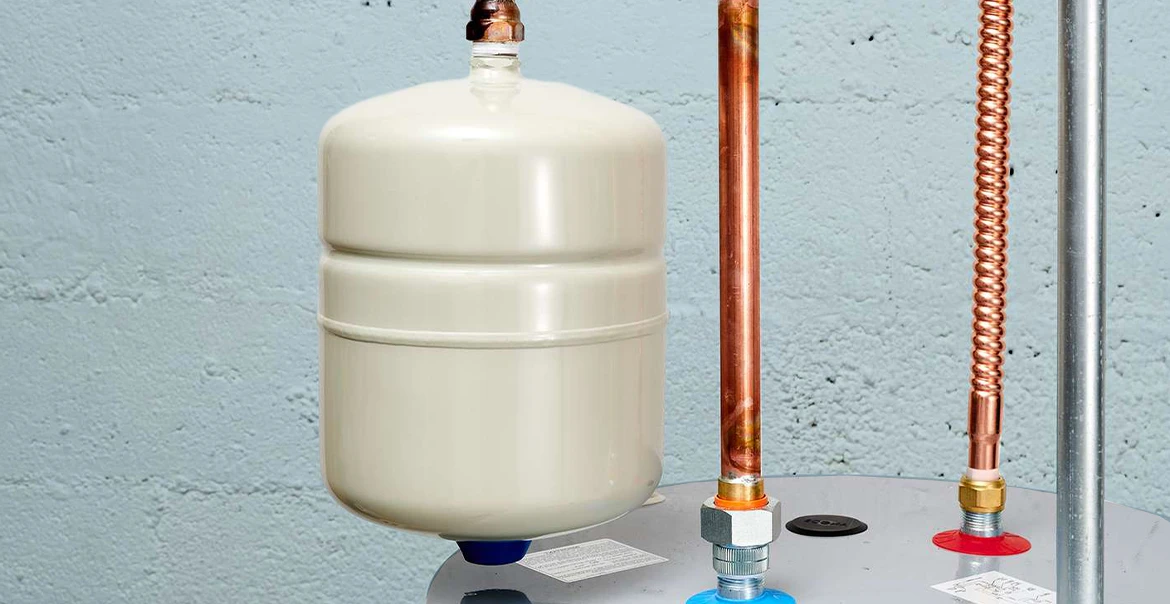
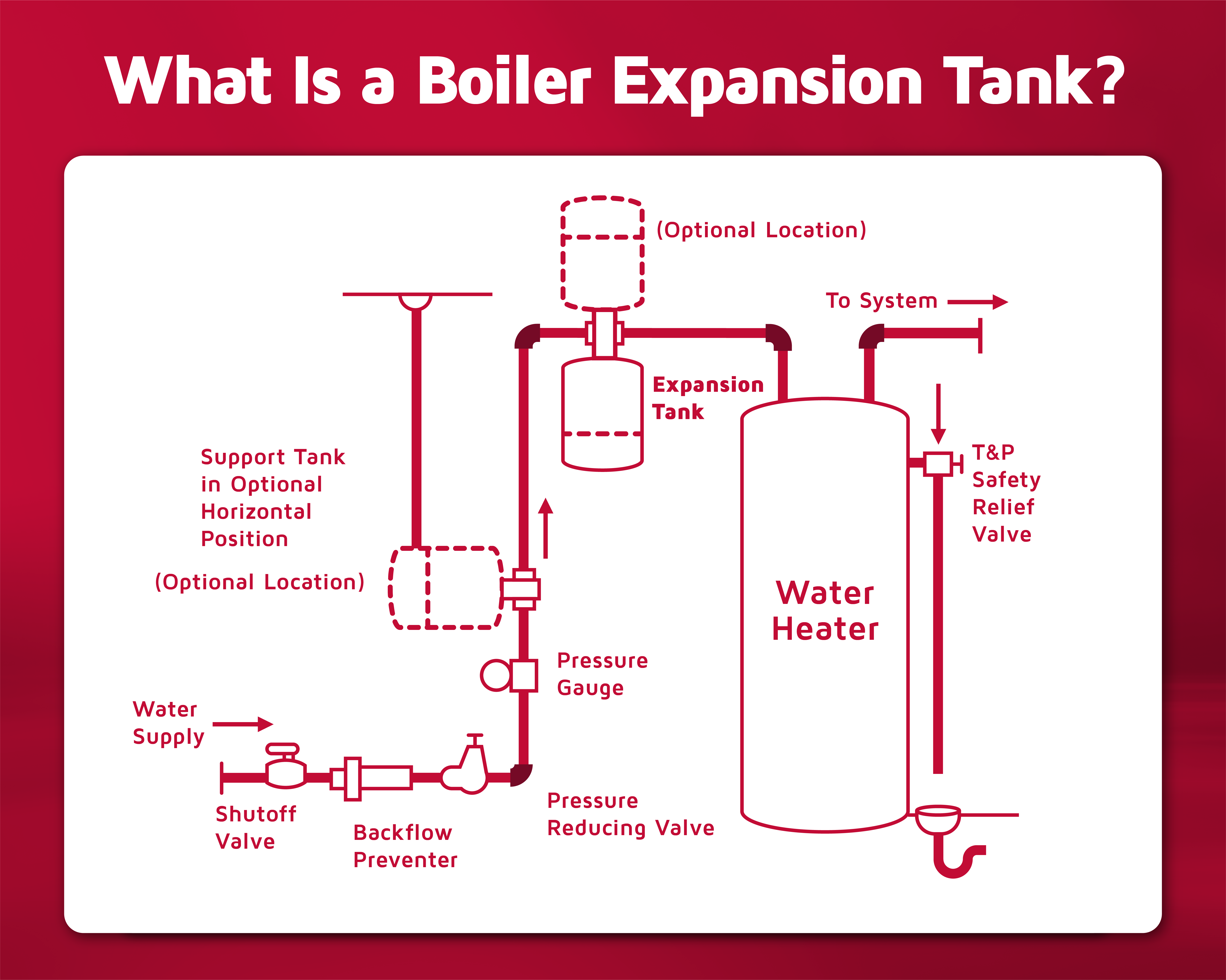
Think of your boiler expansion tank as a pressure buffer for your heating system. Every time your boiler system fires up and heats water, that water expands. In a closed system, all that extra volume needs somewhere to go. The expansion tank gives it a safe place to land.
Inside the tank is a rubber bladder or diaphragm filled with compressed air. As water pressure builds up, the bladder flexes to absorb the extra volume, keeping pressure levels steady throughout your system. When things cool back down, the bladder pushes that water back into the system. It's a simple back-and-forth that quietly protects your home every single day.
There are two main types of expansion tanks used in boilers:
- Diaphragm tanks: More common in older systems. A fixed rubber diaphragm separates the air and water chambers.
- Bladder tanks: The go-to for modern systems. A flexible bladder moves freely inside the tank, which means less wear over time and better pressure management overall.
If your home has a newer boiler, chances are you have a bladder-type tank. Both do the same job, but bladder tanks tend to last longer and require less maintenance.
Why Does Your Boiler Need an Expansion Tank?
Here's the short answer: without one, your boiler is under constant stress.
Water, when heated, expands by about 2 to 4 percent in volume. That might not sound like much, but inside a sealed system, even a small pressure spike can trigger your pressure relief valve, stress your pipes, or cause a leak. Over time, that kind of repeated stress shortens the life of your boiler and the components connected to it.
The expansion tank steps in to prevent all of that. Here's what it protects you from:
- Excess pressure buildup: The tank absorbs expanded water volume so pressure stays in a safe range. The expansion tank is your first line of defense, and your pressure relief valve is a backup.
- Boiler and system wear: Constant pressure swings put stress on your boiler and the components connected to it, like your pipes, valves, and fittings. A properly working expansion tank keeps pressure steady, which means less wear across the board and a longer life for your boiler overall.
- Leaks and burst pipes: Most heating system leaks start with pressure problems. The expansion tank keeps pressure balanced, which reduces the chance of a pipe or valve giving out.
- Inconsistent heat: Pressure swings don't just damage equipment. They can cause your system to cycle on and off more than it should, leaving you with uneven heat and higher energy bills.
Signs Your Expansion Tank Needs to Be Replaced
Your expansion tank doesn't make noise or flash a warning light when something's wrong. You have to know what to look for. Here are the most common signs it's time to take a closer look:
- Your pressure relief valve keeps discharging water: If you see water dripping or spraying from the relief valve, that's a sign your system pressure is too high, which often points to a failed expansion tank.
- Pressure gauge readings are all over the place: A healthy system holds steady pressure. If your gauge is jumping around, the tank may no longer be doing its job.
- Your boiler shuts down frequently: Repeated shutdowns are often triggered by pressure problems. If your system keeps cutting off, the expansion tank is worth checking.
- The tank feels waterlogged: Tap the side of the tank. If it sounds completely hollow, that's normal. If it sounds full or heavy all the way through, the bladder may have failed and the tank is full of water instead of air.
- You notice leaks near the tank or pipes: Moisture around the tank or nearby connections is a red flag that pressure has been building somewhere it shouldn't.
How to do a quick check: Turn off the boiler and let the system cool. Locate the Schrader valve on the expansion tank (it looks like a tire valve). Press the pin gently. If water comes out instead of air, the bladder has failed and the tank needs to be replaced.
How to Replace a Boiler Expansion Tank?
Replacing an expansion tank is a manageable job if you're comfortable with basic home HVAC systems. Here's how the process works:
- Shut off the power to the boiler completely. Don't skip this step.
- Relieve system pressure. Use the pressure relief valve or a drain valve to safely bring pressure down before you touch anything.
- Shut off the water supply to the boiler.
- Remove the old tank. Unscrew it from the pipe connection. Have a towel or bucket ready for any residual water.
- Install the replacement tank. Follow the manufacturer's instructions for your specific model to make sure the pre-charge pressure on the new tank matches your system.
- Restore power and water, then recheck pressure. Once the system is back up, verify that pressure is holding steady in the normal range.
When to call a pro: If you're not sure what size tank your system needs, if pressure problems continue after replacement, or if you notice other issues during the process, contact a licensed HVAC professional. Getting the right tank and the right pre-charge pressure matters. A bad install can cause the same problems you were trying to fix.
Maintenance Tips to Keep Your Expansion Tank Running Strong
A little attention goes a long way when it comes to your expansion tank.
- Check pressure annually. Once a year, verify that your system pressure is within the normal range (typically 12 to 15 psi when cold). If it's consistently high or low, have a pro take a look.
- Watch for the warning signs listed above. The earlier you catch a failing tank, the less damage it causes.
- Schedule regular boiler maintenance. A yearly tune-up from a qualified technician covers your expansion tank along with every other part of your system. It's the easiest way to stay ahead of problems before they turn into expensive repairs.
Your boiler works quietly in the background to keep your home comfortable. The expansion tank is what lets it do that job without burning itself out. Keep it in good shape, and your boiler will thank you.
The Bottom Line
When you're ready to make sure everything in your boiler is dialed in, a Lennox dealer can help. From a quick inspection to a full system tune-up, a qualified technician will make sure your boiler, expansion tank, and every part in between work together the way they should. Because when your home feels right, everything else does too. Ready to make sure your home's boiler is running at its best? Find a Lennox dealer near you to schedule a boiler inspection today.
We’re here to help make home comfort solutions a little clearer and a lot less stressful.
No Worries. It’s a Lennox.™