
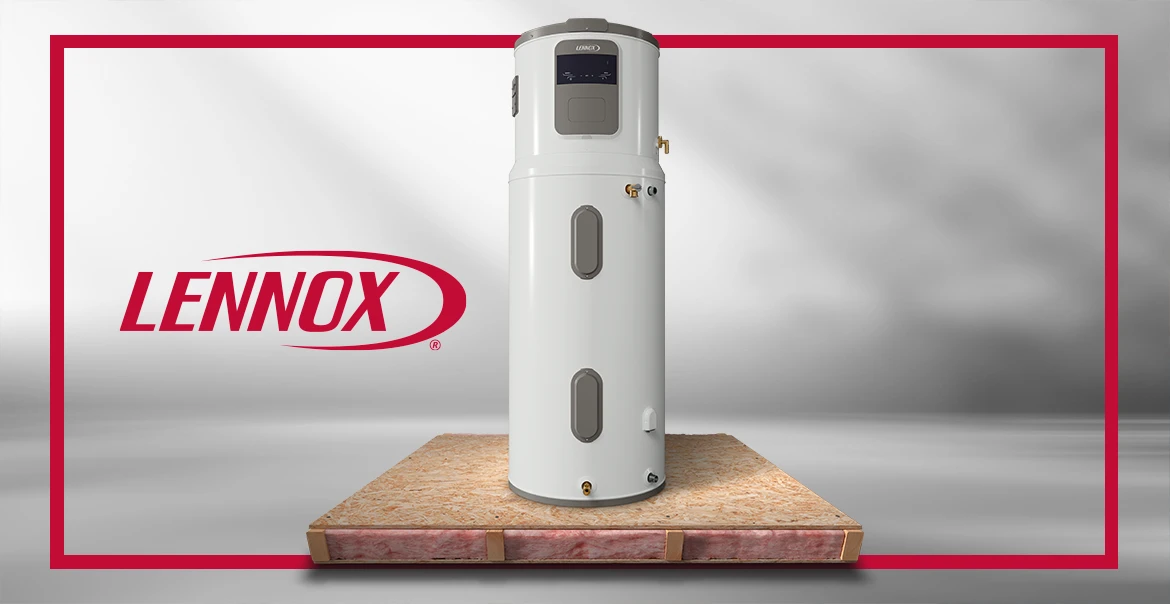
Heat Pump Water Heaters Explained
A water heater does one job: it keeps hot water ready whenever you need it. Traditional water heaters burn gas, oil, or use electric heating elements to generate heat directly. A heat pump water heater does that job smarter, using electricity to move heat rather than make it, which makes it much more efficient. Instead of creating heat from scratch, it moves heat that already exists in the air into your water tank. Think of it like a refrigerator working in reverse. The result is a system that uses far less energy to deliver the same reliable hot water your family counts on every day.
Types of Heat Pump Water Heaters Available
There are a few options on the market worth knowing about:
- Integrated (All-in-One) Units: The most common type. The heat pump and storage tank are built into a single unit. It pulls heat from the surrounding air and can switch to electric resistance heating during periods of high demand.
- Split System Units: The heat pump components sit separately from the tank, which gives you more flexibility with placement and can be quieter indoors.
- Combination Systems: These pull double duty, handling space heating, cooling, and water heating all in one. They work best in warmer climates where there is plenty of ambient heat to pull from.
How Heat Pump Water Heaters Work?
The Science Behind the Warmth
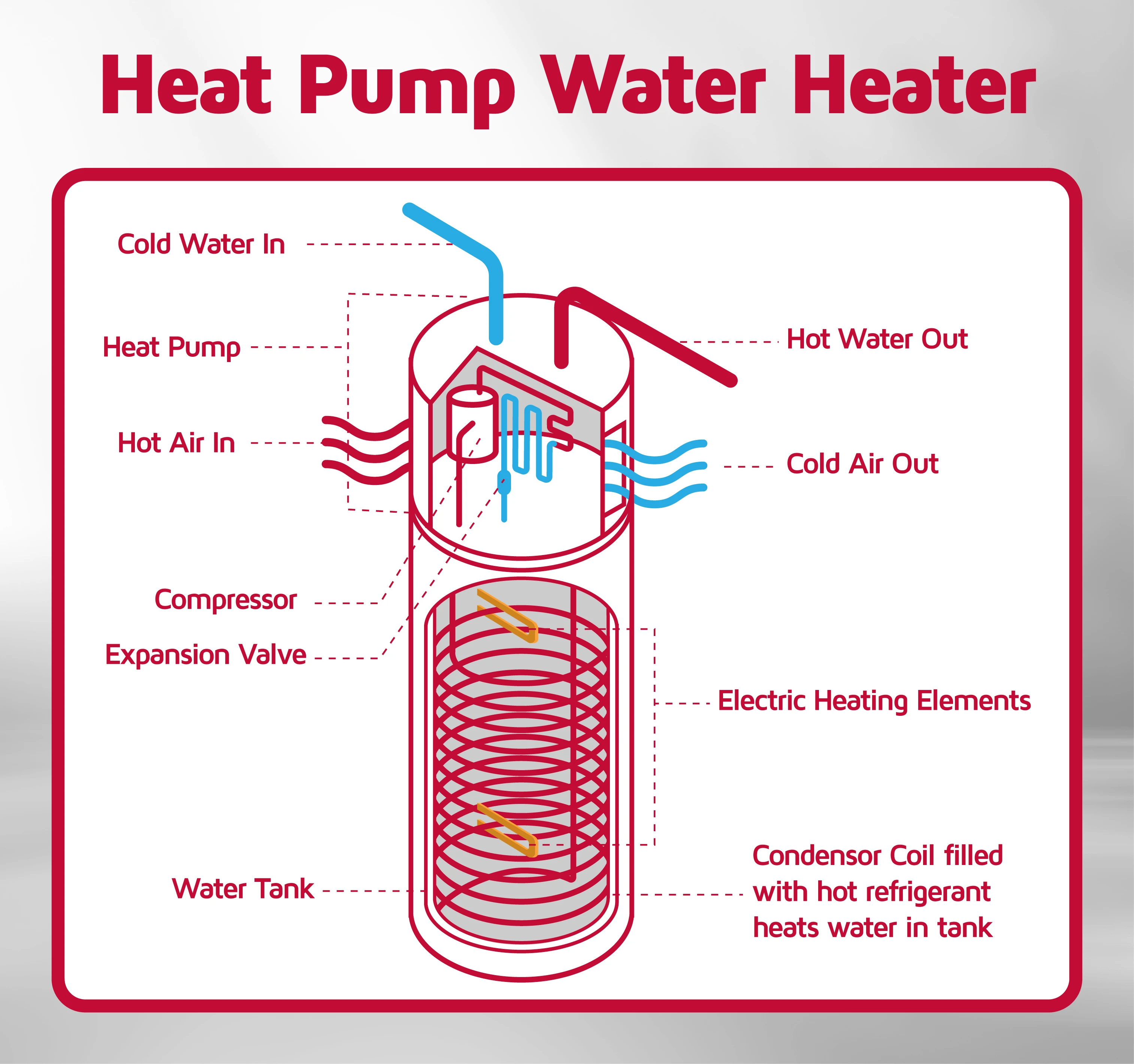
At its core, a heat pump water heater captures heat from the air and concentrates it to warm your water. It does this through three key components working together:
- Evaporator: Absorbs heat from the surrounding air and moves it into a refrigerant.
- Compressor: Pressurizes the refrigerant, which raises its temperature significantly.
- Condenser: Transfers that heat from the refrigerant into the water sitting in your storage tank.
Step-by-Step: How It Heats Your Water
- The evaporator pulls warmth from the air in the room around it.
- That warmth heats up the refrigerant as it moves through the system.
- The compressor raises the refrigerant's pressure, making it even hotter.
- The condenser passes that heat into your water tank.
- The cycle repeats continuously, keeping your tank reliably warm and ready.
Benefits of Heat Pump Water Heaters
-
Energy Savings and Lower Utility Bills
The number one reason homeowners make the switch is simple: the savings are real. A heat pump water heater can use up to 75% less electricity than a conventional electric water heater. The upfront cost is higher than a standard unit, but the monthly savings on your energy bill add up fast, making it a genuinely worthwhile investment over time.
-
Better for the Environment
Every kilowatt-hour you save is a step toward a cleaner home and a healthier planet. By cutting energy consumption, heat pump water heaters help reduce greenhouse gas emissions, aligning with sustainability goals supported by the U.S. Environmental Protection Agency. If living greener matters to your household, this upgrade is one of the most impactful ones you can make.
Choosing the Right Heat Pump Water Heater
Factors to Consider When Selecting a Model
Picking the right unit is about matching the heater to your household's actual needs. Here is what to think through:
- Household size and daily usage: How many people are in your home? How many showers, loads of laundry, and dishwasher cycles happen on a busy morning?
- First Hour Rating (FHR): This is the number of gallons a unit can supply in the first hour of operation. Match this number to your peak hot water demand. A household with three showers, a dishwasher, and a clothes washer running in the morning may need an FHR of 60 gallons or more.
- Tank size: ENERGY STAR guidelines suggest a minimum tank size based on the number of bedrooms. For a three-bedroom, two-bathroom home, a 59-gallon minimum is a solid starting point.
- Climate and location: Heat pump water heaters work best in spaces that stay between 40 and 90 degrees Fahrenheit. A basement, garage, or utility room with good airflow is usually ideal.
Understanding Energy Ratings and Certifications
When you are comparing models, look for the Uniform Energy Factor (UEF). This is the U.S. Department of Energy's standard measure of water heater efficiency. The higher the UEF, the less energy the unit uses to heat your water. ENERGY STAR-certified heat pump water heaters must meet a UEF of 3.30 or higher for integrated units, which is a strong benchmark for real-world efficiency. A professional can walk you through the specific ratings that make sense for your home's setup.
Installation Considerations and Professional Support
-
Ideal Installation Locations and Space Requirements
Where you put your heat pump water heater matters. The unit needs enough space to pull air in and exhaust it properly, typically at least 700 cubic feet of open air around it. Basements, garages, and large utility rooms tend to work well. Tight closets or small enclosed spaces can limit performance.
-
Why Professional Installation Is Important?
Getting the installation right from the start protects your investment. A trained professional will assess your home's layout, confirm the unit is properly sized for your hot water demand, and make sure everything is set up for peak efficiency. They will also handle the condensate drainage that heat pump water heaters produce, which needs to be directed to a proper drain.
Troubleshooting Common Issues
Even a well-maintained unit can run into the occasional hiccup. Here are the most common issues homeowners notice and what they usually mean:
- Not enough hot water: This often indicates a unit undersized for your household's demand, or that the system may be stuck in a less efficient operating mode. Check your settings first.
- Unit running constantly: Could be a sign of a dirty air filter restricting airflow, a thermostat issue, or low refrigerant levels.
- Unusual noises: Rattling or vibrating sounds can come from loose components or debris near the fan. A grinding or hissing sound is worth a closer look from a professional.
- Higher energy bills than expected: If your bills spike unexpectedly, the unit may be relying more on its electric-resistance backup than on the heat pump itself, which is less efficient.
When to Call a Professional?
Some things are worth a quick check, like replacing a dirty air filter or clearing space around the unit for better airflow. But if you are dealing with error codes, refrigerant issues, compressor problems, or anything electrical, call a qualified technician. Catching a small issue early keeps it from turning into a costly repair down the road.
Is a Heat Pump Water Heater Right for Your Home?
For most homeowners, the answer is yes. If you have a space with good airflow, a moderate climate, and a household that uses a reasonable amount of hot water daily, a heat pump water heater is one of the best upgrades you can make. It pays back its upfront cost through energy savings, it is better for the environment, and it keeps your family comfortable without the noise or waste of older technology.
No matter what your household looks like, Lennox has water heater solutions built for every kind of home. Ready to find the one that fits yours? Explore your options at Lennox.com.
We’re here to help make home comfort solutions a little clearer and a lot less stressful.
No Worries. It’s a Lennox.™