
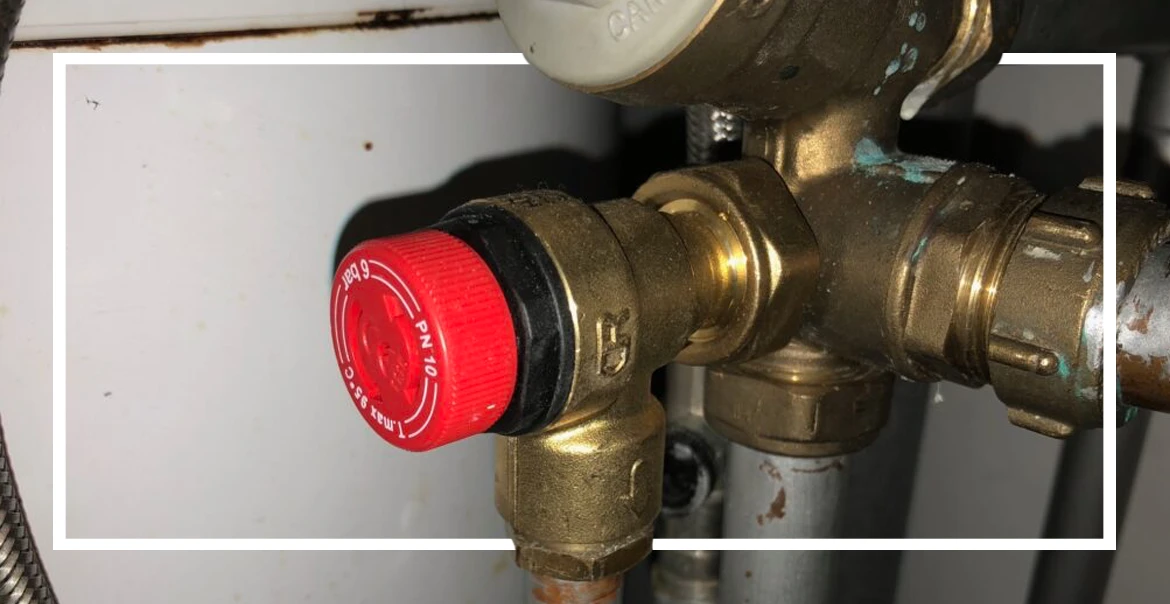
Getting to Know Your Boiler’s Pressure Relief Valve
Having a consistent, reliable heating system in your home often hinges on a few key components, and the boiler’s pressure relief valve is one of them. It is a small device with a monumental role, crucial in preventing excessive pressure build-up in your boiler system, averting possible damage, and ensuring optimal performance. This guide will walk through how boiler relief valves work, why they are necessary, and what routine maintenance looks like. Whether you are a first-time homeowner or have managed a home heating system for years, understanding the nature of these devices can save you from costly repairs and serious safety risks.
Understanding Pressure Relief Valves
Definition and Purpose of Pressure Relief Valves in Boilers
Pressure relief valves are safety devices designed to release excess pressure from a boiler system, significantly reducing the risk of accidents caused by over-pressurization. These valves maintain consistent boiler performance and protect the system's integrity by venting unwanted pressure before it reaches dangerous levels.
How Pressure Relief Valves Operate
Think of the pressure relief valve as your boiler's built-in pressure manager. As the system runs, it continuously monitors internal pressure levels. The moment that pressure crosses a set threshold, the valve opens on its own, releasing just enough to bring the system back into a safe range, then closes again without any input from you. There is no switch to flip or button to press. The whole process happens automatically, and once conditions normalize, the valve reseats and the system carries on as usual. To make sure the valve is still doing its job accurately, a licensed technician can test and verify its response during an annual service visit, confirming it opens at the right pressure point and reseats cleanly every time.
Why Boilers Need a Pressure Relief Valve?
How Pressure Builds Inside a Boiler
Every time your boiler fires up, it heats water to generate warmth throughout your home. That heating process naturally produces pressure inside the system. Under normal conditions, that pressure stays within a safe range. But when something disrupts that balance, whether it is a faulty component, a blocked pipe, or a thermostat issue, pressure can climb fast. A boiler that cannot shed that excess pressure is a boiler that is heading toward a serious problem. That is exactly the scenario a pressure relief valve is built to prevent.
Risk of Excessive Pressure, Including System Damage, Leaks, and Safety Hazards
When pressure inside a boiler goes unchecked, the consequences go well beyond an inconvenient repair bill. Pipes can crack, seals can fail, and in severe cases, the boiler itself can rupture. Even a slow pressure build-up that goes unnoticed for weeks can quietly degrade your system's components, shortening its lifespan and driving up energy costs. A properly functioning pressure relief valve steps in before any of that happens, releasing excess pressure automatically so your system stays protected without you having to lift a finger.
Why Relief Valves Are Required by Safety Codes
Pressure relief valves are not optional; they are mandated by local and national safety codes for boiler systems. These regulations exist because the consequences of operating a boiler without a functioning relief valve can be severe, ranging from property damage to serious personal injury. Compliance with these codes is not just a legal requirement; it is a fundamental part of responsible homeownership.
Signs of a Faulty Pressure Relief Valve
Monitoring signs of a faulty or failing valve is critical to boiler system management. Notable indicators of valve malfunction include:
- Dripping or leaking from the valve or discharge pipe: Continuous dripping or leaking from the valve or discharge pipe is one of the most common early warning signs that the valve is no longer seating properly.
- Unusual noises: Hissing, banging, or whistling sounds coming from the valve suggest pressure is struggling to escape and the valve may be partially obstructed or worn.
- Frequent pressure release: If the valve is triggering repeatedly, it may indicate that system pressure is consistently running too high, pointing to a larger issue within the boiler.
- Boiler pressure gauge readings outside the normal range: Abnormal boiler pressure gauge readings should never be ignored. Disregarding these signs could mean overlooking underlying system issues that risk extensive damage.
When a Leaking Valve Indicates a Larger System Issue
A leaking pressure relief valve does not always mean the valve itself needs to be replaced. In some cases, it signals a deeper problem within the boiler system, such as a failing expansion tank or a waterlogged system. A qualified HVAC professional can determine whether the valve or another component is the root cause.
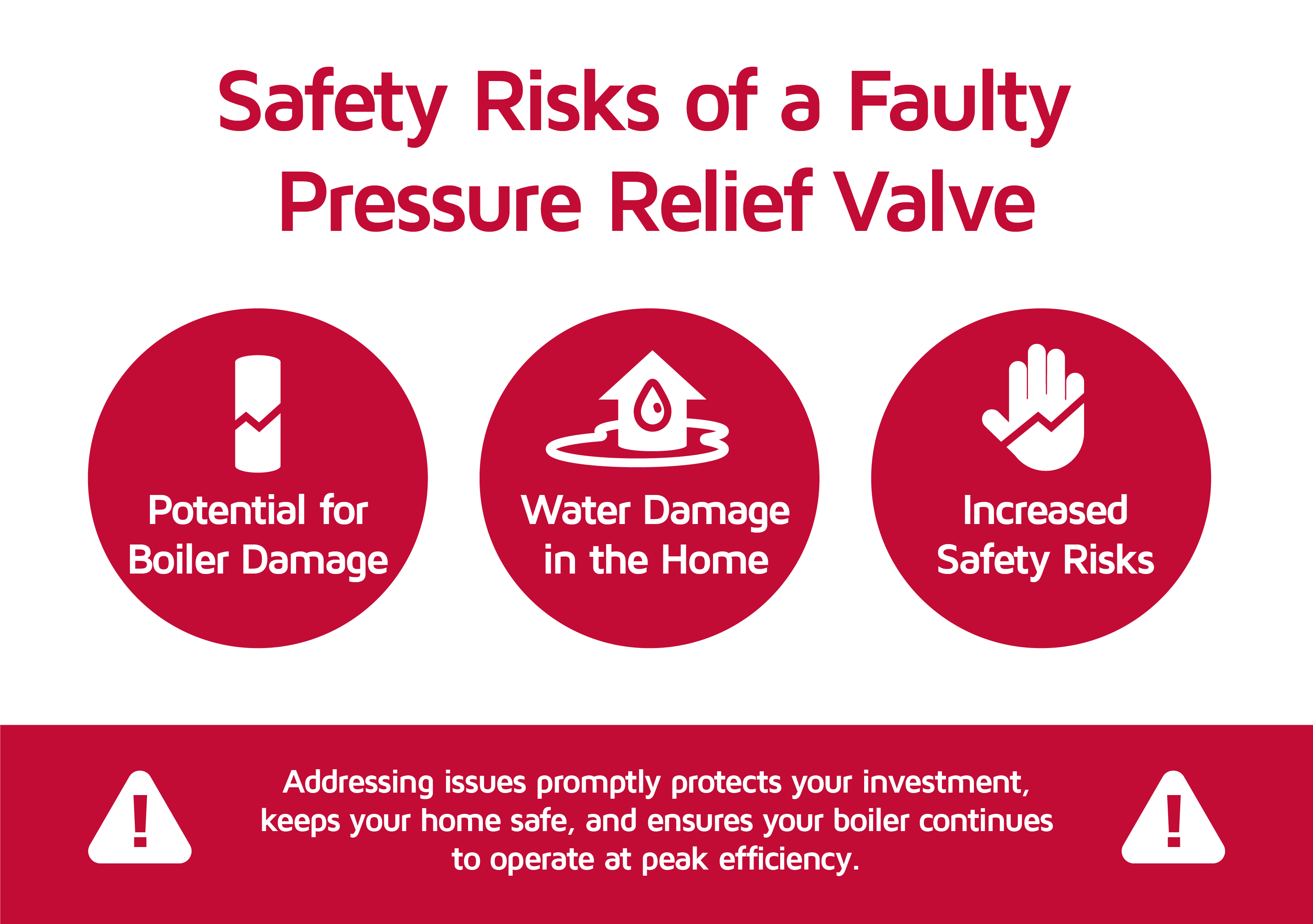
Safety Risks of a Faulty Pressure Relief Valve
Potential for Boiler Damage
A boiler is a significant investment, and a failed pressure relief valve puts that investment at risk. When the valve cannot do its job, pressure has nowhere to go. That stress gets absorbed by the boiler's internal components, including the heat exchanger, pressure vessel, and connecting pipes, all of which are expensive to repair or replace. Choosing a valve that is properly rated for your specific boiler model and having it inspected regularly is one of the simplest ways to protect your system for the long haul.
Water Damage in the Home
The risks of a faulty relief valve do not stop at the boiler itself. A system that loses pressure control can push water into places it should never be, soaking insulation, warping flooring, and creating the kind of damp conditions where mold takes hold quickly. Water damage from a boiler issue can be extensive and costly to remediate. Staying ahead of valve maintenance is one of the most straightforward ways to keep that risk off the table entirely.
Increased Safety Risks if Pressure Is Not Properly Controlled
Ignoring relief valve issues can lead to heightened risks that affect safety, health, and mechanical reliability. Specific examples include the risk of scalding from steam or hot water discharge, potential for boiler explosion in extreme cases, and long-term damage to surrounding pipes and fittings. By keeping controlled oversight measures in place, boiler relief valves help avert mishaps that could impact both your household and the mechanical systems supporting it.
Why Relief Valve Issues Should Never Be Ignored
A pressure relief valve problem is not a "wait and see" situation. Even minor symptoms like occasional dripping can escalate quickly. Addressing issues promptly protects your investment, keeps your home safe, and ensures your boiler continues to operate at peak efficiency.
What HVAC Professionals Check When Inspecting a Pressure Relief Valve?
When a licensed HVAC technician inspects your boiler's pressure relief valve, they typically evaluate:
- Boiler pressure and temperature levels to confirm the system is operating within safe parameters
- Condition of the relief valve and discharge piping for signs of corrosion, wear, or mineral buildup
- Expansion tank performance to rule out waterlogging as a contributing factor to pressure issues
- Compliance with local safety codes to ensure the valve is properly rated and installed per current regulations
Scheduling a professional inspection at least once a year is a smart practice, especially before the heating season begins.
Maintenance and Troubleshooting of Pressure Relief Valves
Common Issues and How to Identify Them
Over time, pressure relief valves can develop a handful of predictable problems. Mineral scale and sediment buildup are among the most common, gradually clogging the valve seat and preventing it from opening or closing cleanly. Corrosion on the valve body is another issue, particularly in older systems or homes with hard water. In some cases, the valve's pressure rating may no longer match the boiler's current operating conditions, especially if the system has been modified or upgraded. A quick visual check during routine maintenance can catch most of these issues early, before they have a chance to affect system performance.
Signs That Indicate a Need for Replacement
- The valve is leaking continuously, even after pressure normalizes
- Visible corrosion or physical damage to the valve body
- The valve is more than 5 to 10 years old without documented testing
- The valve has discharged frequently in a short period of time
Situations That Require Immediate Service
Some pressure relief valve problems cannot wait for a scheduled appointment. If your boiler's pressure gauge is consistently reading high and the valve is not releasing, or if the valve has discharged and will not reseat, those are situations that call for a professional right away. The same goes for any visible damage to the valve body or discharge pipe. Attempting to manually hold the valve shut or work around a malfunctioning one is never a safe option. A licensed technician has the tools and training to assess the situation quickly and get your system back to safe operating conditions.
Routine Maintenance Tips for Optimal Performance
Keeping your pressure relief valve in good shape does not require a lot of effort, but it does require consistency. Here are the key habits that make a difference:
- Test the valve once a year by carefully lifting the test lever for a few seconds to confirm it opens and reseats properly. If you have an older system, check with your technician before doing this yourself.
- Keep the discharge pipe clear so that if the valve does open, water and steam have a safe, unobstructed path out of the system.
- Verify the pressure rating on your valve matches your boiler's current specifications, especially after any system service or component replacement.
- Schedule annual professional maintenance with a licensed HVAC technician to have the full system inspected, including the relief valve, expansion tank, and pressure gauge. Consistent upkeep is the best way to catch small issues before they turn into costly repairs.
The Bottom Line
Your boiler's pressure relief valve is one of those components that rarely gets attention until something goes wrong. But the homeowners who stay ahead of it, testing it annually, watching for warning signs, and keeping up with professional maintenance, are the ones who avoid the headaches that come with a system failure. A well-maintained valve means a safer home, a longer-lasting boiler, and one less thing to worry about when the temperatures drop.
We’re here to help make home comfort solutions a little clearer and a lot less stressful.
No Worries. It’s a Lennox.™