
How Humidity and Mold Are Connected?
Mold and humidity are directly linked because mold spores, which exist everywhere, only activate and grow in the presence of moisture. According to the Environmental Protection Agency (EPA), keeping relative indoor humidity in the target range of 30 to 50 percent keeps wood floors, upholstery, and drywall protected, and it starves mold of the moisture it needs. Cross the 60 percent mark, though, and conditions flip in mold's favor. Spores are already floating through the air in virtually every home, and once humidity climbs that high, they can take hold on drywall, carpet fibers, or fabric in as little as one to two days. Walls, ceilings, window sills, ductwork, and grout are usually where it shows up first.
Since humidifiers add moisture to your home, it’s natural to ask what their connection to mold and mold growth might be.
What Is a Humidifier and How Does It Work?
During winter months and in cold climates, air inside a house tends to dry out fast, leaving behind cracked skin, scratchy throats, and stuffy noses. A humidifier's job is to counter that by putting moisture back into circulation. Four main options show up in most homes.
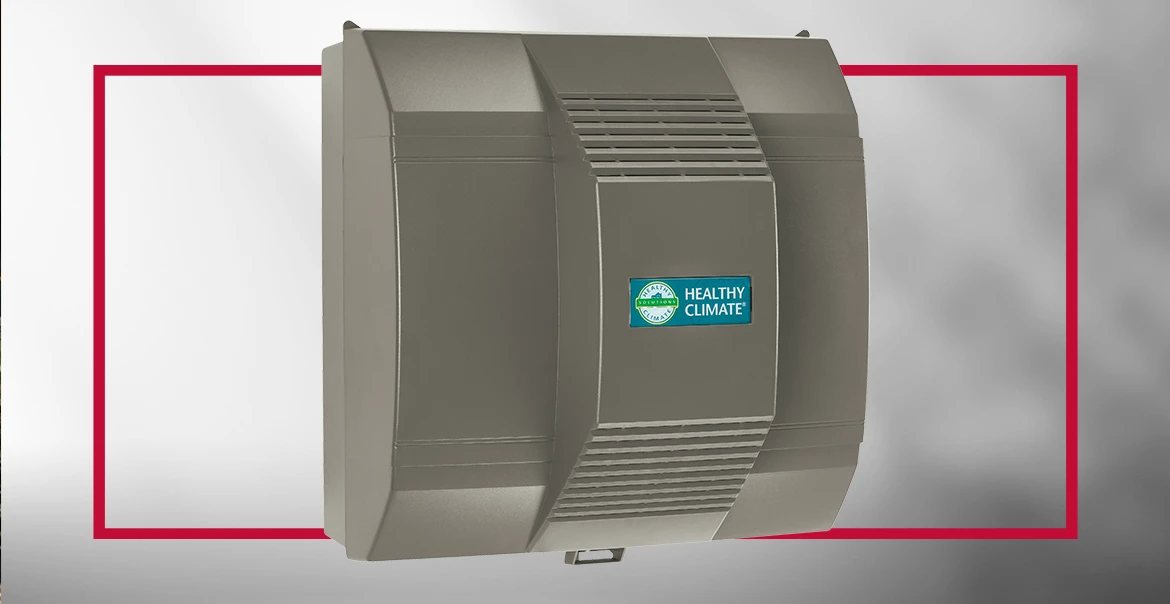
Central humidifiers tie directly into the HVAC system’s indoor unit (typically a furnace or air handler), spreading moisture through the ductwork so it reaches every room evenly. Central humidifiers are the best option for whole-home, consistent humidity control.
Evaporative units push air across a damp wick with a fan, which naturally tapers off output as the room gets more humid.
Ultrasonic humidifiers vibrate water into a fine mist, consuming less energy and operating more quietly. However, this method can also launch mineral dust and anything else living in the tank straight into the room.
Steam vaporizers heat water to a boil before releasing it, which wipes out most microbes along the way.
All these options will increase moisture levels in the air, but for minimizing mold risk specifically, a central humidifier tied into the HVAC system tends to be the safest bet. There's no reservoir of standing water to worry about, and pairing it with an automatic humidity sensor takes the guesswork out entirely.
Can Humidifiers Cause Mold?
Mold spores are already present in household air, so a humidifier isn't manufacturing them from thin air. What it can do is tip the environment in mold's favor, and that tends to happen in one of three ways.
Overshooting the humidity target. A unit running nonstop, or one without any kind of built-in sensor, can quietly push a home's humidity well past the 60 percent line, turning the whole space into fertile ground for spores.
Neglecting upkeep. Water that lingers in a tank for a couple of days starts breeding bacteria and biofilm, and mineral scale from tap water gives those organisms an even better foothold. Filters that go too long without cleaning are a frequent source of spores getting blown around the room every time the machine kicks on.
Bad placement. Parking a humidifier right against a wall or next to curtains and upholstery loads moisture onto that one spot, regardless of what the whole-room humidity reading says. The workaround is straightforward: put it on a raised, waterproof surface toward the center of the room, well clear of anything soft.
HVAC-integrated central humidifiers take much of the guesswork out of the equation. Instead of relying on a small room unit and manually monitoring conditions, a properly installed central system distributes moisture through the existing ductwork, making it easier to stay within a target range and avoid the excess moisture that can encourage mold growth.
One more thing worth flagging: a humidifier will not clean up mold that's already growing. Feeding a mold problem with extra moisture only makes it worse. Getting rid of existing mold calls for a dehumidifier or an air purifier instead.
Common Signs of Mold from Humidifier Use
A musty smell hanging around the humidifier is frequently the first clue.
Discolored patches, like black, green, or white, showing up on walls, ceilings, window frames, or grout lines near where the unit runs.
Fogged-up windows or damp cold surfaces that won't clear, a telltale sign that humidity has crept too high.
Flaring allergy symptoms, coughing, sneezing, or congestion, particularly among family members who react easily.
Grime inside the machine itself, with pink, black, or green film coating the tank, base, or misting components, which is a signal to clean or swap the filter right away.
Health Risks Tied to Mold Exposure
Breathing in mold spores can aggravate the respiratory system, intensify asthma or allergy flare-ups, and irritate skin or eyes. The people most exposed to serious effects tend to be young children, older adults, and anyone with a weakened immune system, which is one more reason to stay on top of indoor humidity.
Preventing Mold While Using a Humidifier
Track the humidity. A hygrometer, or a sensor built into the unit, keeps you honest about staying in the 30 to 50 percent zone. Mold won’t grow if the humidity is controlled. Lennox S40 and E40 Smart Thermostats also come with humidity control.
Rethink placement. Center of the room, raised off the floor, waterproof surface underneath, nowhere near walls or fabric.
Build a weekly cleaning habit. HVAC-integrated pads should be swapped out yearly, and tank, base, filter, and nozzles all need attention roughly once a week during active use.
Match the humidifier to your tolerance for upkeep. Ultrasonic models demand more diligence with tank cleaning, and switching to distilled water cuts down on mineral buildup.
Don't neglect airflow. Exhaust fans, a cracked window on a dry day, and a properly functioning HVAC system all work together to keep moisture from settling on surfaces.
If Mold Has Already Developed
Turn the humidifier off first, then walk through the house checking walls, ceilings, window frames, carpet, and vents for anything suspicious. Under EPA guidance, patches under 10 square feet are usually manageable on your own with gloves, an N95 mask, and the household cleaning products. Anything bigger, or mold that's worked its way into porous material like drywall, is a job for a remediation professional. Homes with central humidifiers have an added wrinkle: mold can travel through the ductwork itself, so a musty smell coming out of the vents is worth having an HVAC technician look into.
FAQs
How quickly can mold grow from humidity?
Once relative humidity in a room climbs above 60 percent, mold spores that are already floating in the air can begin colonizing surfaces in as little as one to two days. Drywall, carpet fibers, and fabric are especially quick to develop visible growth once conditions turn favorable, since they hold moisture and give spores something porous to latch onto. That short timeline is exactly why the EPA's recommended range of 30 to 50 percent matters. Staying under that ceiling keeps mold from ever getting the head start it needs.
Do all humidifiers cause mold?
No single humidifier type guarantees mold, and none of them are entirely risk-free either, since the outcome depends far more on how the unit is used than which style sits on the shelf. Central, HVAC-integrated systems come closest to eliminating the risk because they don't hold standing water the way portable units do, can be paired with automatic humidity sensors, and don’t require nearly as much maintenance and upkeep as other units. Ultrasonic and evaporative models need more hands-on attention, since tanks and wicks that go too long without cleaning give bacteria and mold an easy foothold. The deciding factor is consistent maintenance and keeping output within the recommended humidity range, not the type of humidifier itself.
Protect Your Humidifier With Preventative Maintenance
There's nothing inevitable about humidifiers and mold showing up together. Keep an eye on humidity levels, stay consistent with cleaning, swap filters on schedule, and give the unit some breathing room away from walls and soft surfaces, and most problems never get the chance to start. If mold has already appeared, power down the humidifier, fix the cause, and loop in a professional when the situation is bigger than a quick cleanup. Homeowners who would rather not manage a portable unit at all can consider whole-home options like the Lennox Healthy Climate Whole-Home Humidifier, which works directly with the HVAC system to automatically manage moisture. Take a look at Lennox's humidity control lineup, or reach out to a local Lennox professional to figure out what will work best for your home.
We’re here to help make home comfort solutions a little clearer and a lot less stressful.
No Worries. It’s a Lennox.