
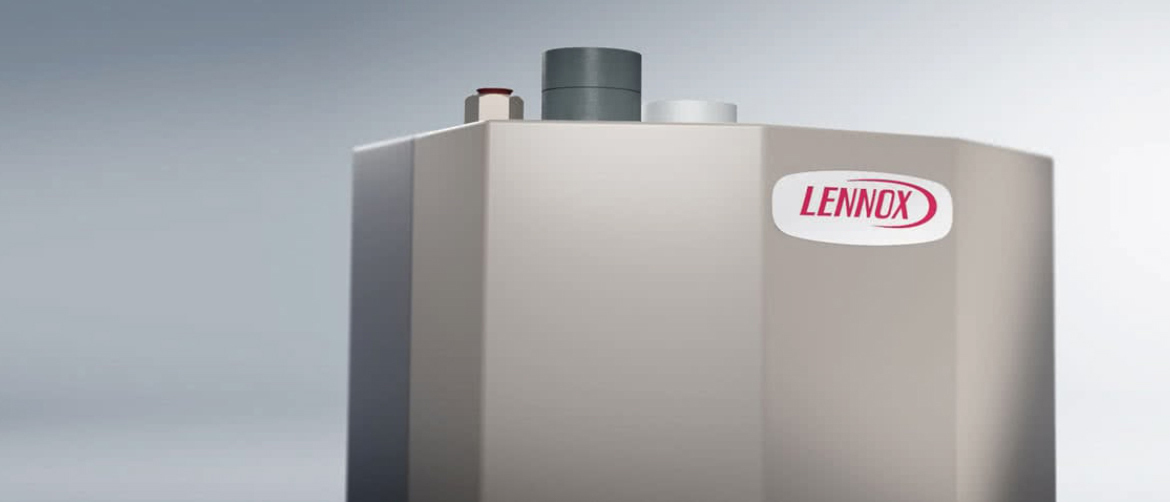
When temperatures drop, a dependable heating system becomes essential for keeping your home comfortable and safe. Boilers remain a trusted choice for reliable comfort, but like any major home system, they don’t last forever. Understanding how long boilers last, what affects their lifespan, and when replacement makes sense can help you avoid costly surprises while ensuring year-round efficiency.
Understanding the Average Lifespan of Boilers
Boilers are built for durability, but their longevity depends on the type, usage, and care they receive.
- Gas boilers typically last 10 to 15 years with consistent maintenance.
- Oil boilers often last longer, up to 20 years with consistent maintenance.
- Electric boilers tend to have a shorter range because electrical components wear out faster, usually closer to 8 to 10 years.
While these ranges provide a useful guideline, many boilers exceed expectations when properly installed and maintained. As with any system within your home, scheduling routine professional maintenance—before problems arise—will help you get more years of reliable performance out of your boiler and other HVAC components.
Factors That Influence Boiler Longevity
Several variables determine how well and how long a boiler will serve your home:
- Installation quality: A professionally installed boiler runs more efficiently and experiences fewer breakdowns. Poor installation, by contrast, can shorten lifespan from the start.
- Maintenance habits: Annual tune-ups keep the system operating safely, identify wear before it causes failures, and ensure proper ventilation and water pressure.
- Fuel type and availability: Gas boilers generally deliver more consistent efficiency over their life spans, while oil boilers, although long-lasting, may require more frequent servicing.
- Water quality: Hard water leads to mineral buildup inside the boiler, reducing efficiency and accelerating wear.
- Operating environment: Boilers in damp or poorly ventilated areas are more prone to corrosion and damage, which can cut years off their service life.
Signs Your Boiler May Be Nearing the End
Boilers rarely fail without warning. Recognizing the early signs can help you plan for replacement before an emergency strikes.
- Unusual noises: Whistling, banging, or gurgling may signal trapped air, pump failure, or limescale buildup.
- Reduced efficiency: If your home takes longer to heat or energy bills keep climbing despite stable use, the system may be losing performance.
- Frequent breakdowns: Repairs that once solved issues may become temporary fixes. At some point, replacement becomes more cost-effective.
- Age of the system: If your boiler is past 15 years and experiencing problems, it’s wise to start evaluating newer options.
Extending the Life of Your Boiler
While every boiler has a limit, there are steps you can take to help yours last longer and run more smoothly. Think of it as giving your system the same regular care you’d give a car or other major appliance.
- Schedule annual maintenance.Professional servicing is crucial for maintaining your boiler's efficiency and safety. Having a qualified technician service your boiler once a year keeps it running safely, maintains efficiency, and ensures warranty requirements are met.
- Flush the system as needed.Over time, sediment and minerals can collect inside. A flush removes buildup, which helps protect the heat exchanger and other key components. Without proper training and tools, performing a system flush can be dangerous. You should always seek professional help when doing a flush.
- Keep an eye on pressure and thermostat settings.When a boiler operates outside the recommended range, it puts unnecessary stress on the system. Monitoring these settings helps avoid that strain.
- Address small issues early.Minor drips, uneven heating, or unusual noises often signal a problem that can be repaired before it grows into something major.
With consistent care, many homeowners find their boilers last beyond the typical average, delivering reliable comfort year after year.
Considering an Upgrade
When repairs become frequent or efficiency drops significantly, replacing the boiler can be the smarter long-term choice. Newer boiler models offer clear advantages:
- Higher efficiency: Modern boilers use advanced technology to deliver heat using less fuel, lowering monthly energy bills.
- Improved safety: Built-in sensors and updated designs reduce the risk of leaks and carbon monoxide issues.
- Smarter controls: Many new boilers integrate with smart thermostats and programmable settings, allowing for better control over comfort and energy use.
- Environmental benefits: Upgrading reduces emissions, helping homeowners meet newer environmental standards while shrinking their carbon footprint.
A Warm Path Forward
Knowing how long boilers last can help you make informed decisions about maintenance, budgeting, and upgrades. On average, most systems provide reliable service for well over a decade, with the right service and maintenance extending their useful life even further.
Regular servicing is the most effective way to protect your investment, avoid untimely breakdowns, and ensure your home stays warm when you need it most. Reach out to your local Lennox professional to schedule your next boiler—and full system—check-up.