
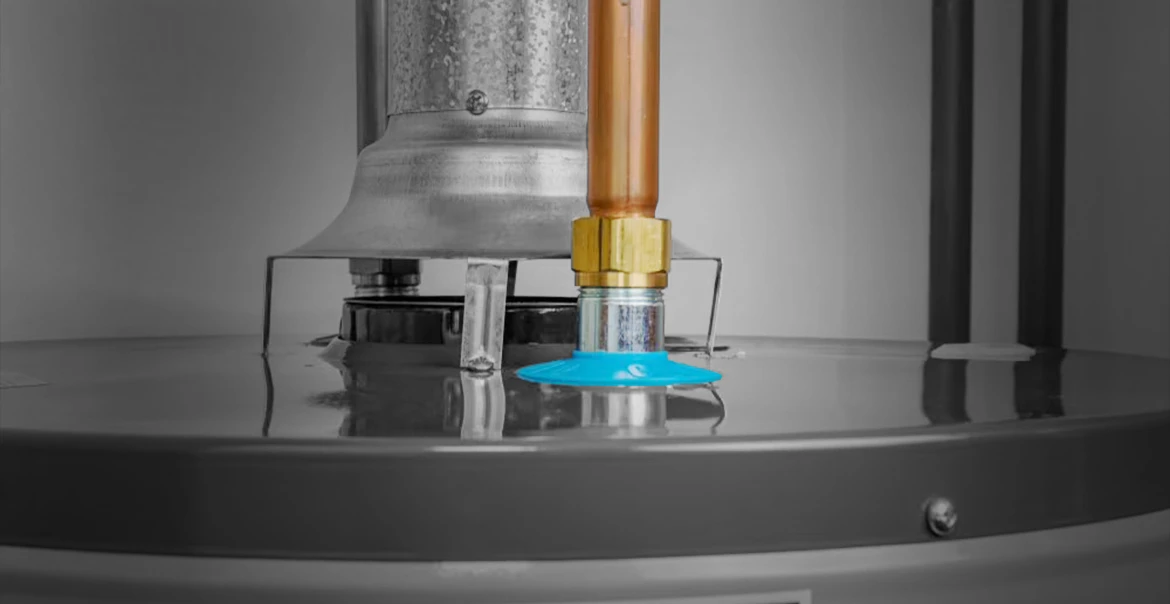
What Is a Dip Tube in a Water Heater?
Most homeowners can describe their water heater in broad strokes: it stores water, heats it up, and sends it to the tap when you need it. But the reason that system works as cleanly as it does comes down to the components working underneath the surface.
Mounted inside the cold water inlet port, the dip tube is a long, slender plastic tube that stretches from the very top of the tank to just above the floor, typically spanning 30 to 40 inches in length. You will find this component in both gas and electric storage tank models, not tankless. Its purpose is direct: make sure every gallon of cold water entering the tank goes to the lowest point possible before it has any chance to affect the hot water sitting near the top.
What Does a Dip Tube Do and How Does It Work?
The physics behind a water heater's operation depend on one reliable fact: hot water rises and cold water sinks. A dip tube is what enforces that natural behavior by ensuring cold supply water never gets the chance to shortcut its way to the outlet before being heated.
Here is the full cycle from start to finish:
Cold supply water enters through the inlet port located at the top of the tank.
The dip tube channels that water downward to the bottom of the tank.
The heat source below the water, whether a gas burner or electric element, begins warming it from the ground up.
As the water heats, it becomes less dense and rises naturally toward the top of the tank.
When you open a tap, that hot water at the top moves to the outlet, triggering more cold water to enter and start the process again.
Without the dip tube doing its job at step two, cold water would meet hot water the moment it entered the tank. The result is a blended, lukewarm output and a heating system working overtime for no reason.
Why Is the Dip Tube Important?
Water heating represents roughly 18% of the average home's total energy use, according to the U.S. Department of Energy. That number goes up when a component like the dip tube fails and forces the heating system into extended or repeated heating cycles just to maintain a usable supply of hot water.
A functioning dip tube does more than keep things warm. It protects your heating element or burner from short-cycling, which is the pattern that occurs when the thermostat detects dropping temperatures near the top of the tank and triggers the heat source to fire again and again in short bursts. That extra wear accumulates fast. One small tube in good condition can meaningfully cut your operating costs and extend the service life of your equipment at the same time.
Types of Dip Tubes
Dip tubes come in three main configurations, each suited to different water conditions and installation setups.
Standard Plastic (Polypropylene)
The baseline option found in many older and entry-level water heaters. Under typical conditions, polypropylene holds up reasonably well. However, exposure to hard water or sustained tank temperatures above 140° Fahrenheit causes this material to become brittle over time.
Cross-Linked Polymer (PEX)
An upgrade in both durability and heat resistance, PEX dip tubes can withstand temperatures up to 200° Fahrenheit. They hold up better against mineral scale and chemical degradation, which makes them the go-to recommendation for homes in hard water zones or for anyone replacing a tube that failed ahead of schedule.
Flexible vs. Rigid Designs
Rigid dip tubes are the standard for most installations, and for good reason. They stay in position, consistently delivering cold water to the tank floor without shifting. Flexible tubes serve as a workaround in tank configurations where rigid placement is not possible, but they carry a higher risk of drifting out of alignment and undermining performance over time.
Signs of a Bad Dip Tube
A homeowner can identify a damaged dip tube without any technical background.
Hot water runs out noticeably faster. When cold water bypasses the heating zone and mixes near the top of the tank, your effective hot water supply can shrink by anywhere from 30% to 50%. What used to be a full shower becomes a race against lukewarm water.
Tap water arrives at the wrong temperature. If your hot water is landing at 90° to 100° Fahrenheit instead of the standard 120°, cold water is almost certainly entering the hot water zone prematurely. This is not a thermostat issue.
Plastic fragments show up at faucets or showerheads. Small white or gray pieces, often no larger than a quarter of an inch, collecting in aerators or showerhead filters are a clear sign the dip tube is disintegrating.
Temperature swings within a single use. Starting a shower warm, dipping to lukewarm midway through, then recovering briefly before dropping again signals unpredictable mixing happening inside the tank.
Common Problems with Water Heater Dip Tubes
Four failures account for the vast majority of dip tube problems:
Physical cracking or breakage. The most frequently seen issue, particularly in water heaters past the 8-year mark. A crack anywhere along the tube's length releases cold water at the wrong depth.
Sediment restriction. Mineral deposits can build up around the tube opening and choke water flow over time, especially in areas with harder water.
Plastic deterioration in older units. Heaters from over 30 years ago are especially prone to releasing small plastic particles that enter the home's water supply as the original tube breaks down.
Installation errors. A dip tube that is not seated or aligned correctly during a repair will never route water to the tank floor as intended. This is a recurring outcome of repairs done without professional guidance.
Once a dip tube is compromised, your heating element or burner compensates by running longer and harder. A broken dip tube can pull efficiency down by 20% or more, significantly before the unit would otherwise need replacing. Left unresolved, that inefficiency compounds and accelerates wear across the entire system.
How to Inspect a Dip Tube?
This is a task for a licensed plumbing contractor that takes between 30 and 60 minutes with basic tools: a pipe wrench, Teflon tape, and a replacement tube if the inspection confirms damage. Here are the steps you can expect a professional to take.
Shut off the water supply. Your contractor will close the cold water shut-off valve above the tank. On electric models, that means cutting power at the circuit breaker. On gas models, it means dialing the thermostat back to pilot.
Disconnect the cold water inlet. The dip tube is housed in or attached to the inlet port at the top of the tank. Removing the inlet connection gives access to the tube.
Examine the full length for visible damage. Cracks, brittleness, discoloration, or deformation anywhere along the tube means replacement is the appropriate next step.
Check the area around the opening for debris. Fragments or heavy sediment lodged near the inlet are a reliable indicator the tube has already started to break down.
Maintenance Tips to Extend Dip Tube Life
Flush the tank on a regular schedule. The Department of Energy recommends draining sediment from the bottom of the tank to prevent buildup from restricting the dip tube opening. In hard water regions, doing this every six months is a reasonable practice.
Have a technician assess it during annual service. When a licensed plumbing contractor visits for a scheduled inspection, ask specifically about the dip tube. Scheduling two professional checkups per year gives you the best opportunity to catch wear before it becomes a problem.
Consider a water softener for hard water homes. Reducing mineral content in your water supply can extend both the dip tube and the overall water heater lifespan by 2 to 5 years, which makes a meaningful difference in long-term cost of ownership.
FAQs
How long does a dip tube last?
Most are built to last 8 to 12 years, though hard water, high operating temperatures, or substandard materials can cause premature failure.
Can you use a water heater without a dip tube?
The unit will continue to operate, but cold water will mix directly with hot water near the outlet the moment it enters the tank. Your usable hot water supply drops significantly, and your heating system will work far harder than it needs to.
How do I know if my dip tube is bad?
Watch for shorter hot water supply windows, water that arrives noticeably below the expected temperature, plastic debris collecting in your faucet aerators, or temperature that swings unpredictably during a single use.
Keep Your Water Warm
For a component that rarely gets attention, the dip tube carries a disproportionate amount of responsibility inside your tank water heater. Many of the symptoms that lead homeowners to assume their water heater is failing trace directly back to this one part. If you are seeing unexplained hot water problems and want a professional assessment before making any decisions, a certified plumbing contractor can isolate the issue quickly.
We’re here to help make home comfort solutions a little clearer and a lot less stressful.
No Worries. It’s a Lennox.™