
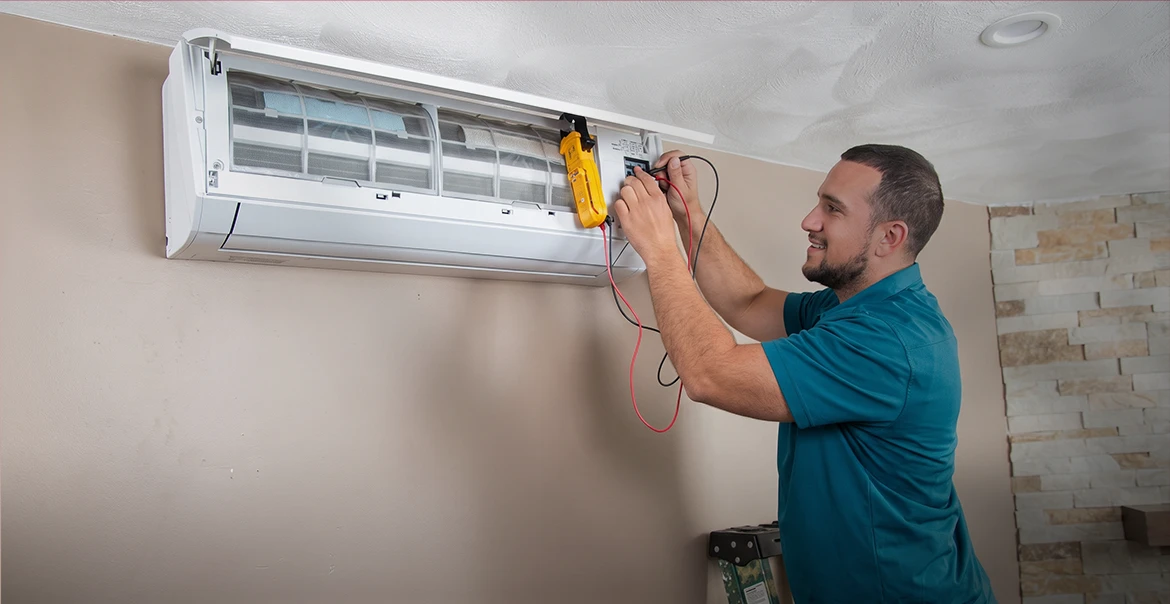
A warm, comfortable room can become chilly fast when your mini-split does not respond as expected. Fortunately, a lack of heat does not necessarily indicate a major equipment failure. The system could be waiting for the right control signal, struggling to move air through a dirty filter, or temporarily clearing frost from its outdoor coil. Knowing what and how to troubleshoot can help you separate normal operation from a problem that needs service.
How Does a Mini-Split Work?
Instead of producing heat through combustion, a mini-split gathers available warmth from the outdoor air and moves it inside. Refrigerant circulates between the outdoor equipment and indoor air handler, carrying heat into the room.
A reversing valve determines which direction the refrigerant travels. Changing that direction allows the same equipment to cool your space during warmer weather and warm it when temperatures fall. When this valve malfunctions, the mini-split may continue cooling successfully but fail to switch into heating operation. Because the valve is connected to the sealed refrigerant system, diagnosing or replacing it is a job for an HVAC technician.
Why Is My Mini-Split Not Working in Heating Mode?
Incorrect Remote Settings
Before inspecting the equipment, review the control screen. Make sure HEAT is selected and increase the temperature above the current room reading. Look for a timer or schedule that could be overriding your request.
If the mini-split does not react when you press any buttons, recharge or install fresh batteries in the remote and try again.
Dirty or Clogged Air Filters
Air must pass freely through the indoor unit for heat to reach the room. Dust-filled filters reduce that airflow, making the system work harder while delivering less comfort. Severe restriction may contribute to a frozen indoor coil or cause the equipment to shut down for protection. Mini-split maintenance makes a measurable difference here.
A Normal Defrost Cycle
Cold air from the indoor unit can sometimes be part of normal winter operation. Frost may begin forming on the outdoor coil when the outdoor temperature falls below approximately 47°F (8°C). The system responds by entering defrost mode and temporarily sending heat toward that coil.
Defrost generally takes 3 to 15 minutes. You may also see steam around the outdoor equipment as frost melts. Arrange service if the cycle lasts longer than 15 minutes or returns more than once within 1 hour.
Low Refrigerant
A mini-split depends on the correct refrigerant charge to collect and transport heat. If refrigerant escapes through a leak, heating may become weak, inconsistent, or unavailable.
Adding refrigerant without finding the source of the loss will not correct the underlying issue. Federal requirements also limit refrigerant handling to appropriately certified technicians.
Outdoor Unit Obstructions
The outdoor unit needs open airflow to collect heat. Packed snow, ice, fallen leaves, or other debris around the coil and fan can interfere with that process. A damaged blade or failed outdoor fan motor may create a similar loss of performance.
Electrical or Sensor Problems
Heating can also be interrupted by a tripped circuit breaker, blown fuse, failed capacitor, or damaged electrical connection. If a breaker trips again immediately after one reset, leave it off and request service.
A faulty temperature sensor can create a less obvious problem. For example, a sensor reading 5°F warmer than the room may tell the system that heating is no longer needed, even though the space still feels cold.
What Should I Check if My Mini-Split Isn’t Heating?
Use this sequence to rule out common problems without opening or repairing the equipment:
Inspect the power supply. Check whether the indoor display is illuminated. Confirm that the circuit breaker and disconnect switch are on. Reset a tripped breaker once, but not repeatedly.
Check the remote and temperature settings. Select HEAT, cancel active timers, and choose a temperature 3 to 5 degrees above the current room temperature. Recharge the remote or replace its batteries if the unit does not respond.
Record errors before resetting the system. Write down any code or flashing-light pattern. Turn off power at the disconnect or breaker, wait at least 30 seconds, and restore it. A returning error means the fault remains.
Clean the filters. Remove them according to the equipment instructions. Wash reusable filters with warm water, rinse them, and let them air-dry fully before putting them back.
Look around the outdoor unit. Turn off the equipment before removing loose snow or debris by hand. Do not chip ice from the coil or spray water into the cabinet. Leave at least 24 inches of open space on every side.
When to Call an HVAC Professional?
Schedule an inspection if these basic checks do not bring the heat back. Service is also necessary when the breaker repeatedly trips, an error code returns after a reset, or the system behaves unpredictably.
Refrigerant leaks, electrical failures, faulty sensors, and reversing valve problems require specialized testing and repair. A mini-split that cools normally but cannot heat is one possible sign of a reversing valve issue. Continuing to restart equipment with an unresolved fault may not restore comfort and could make diagnosis more difficult. A Lennox dealer can inspect the complete system and determine what is preventing normal heating.
How Can I Prevent Mini-Split Heating Problems?
Give the system regular attention rather than waiting for comfort to decline. During periods of frequent operation, examine the filters monthly. Clean or replace them as directed by the manufacturer and wipe dust from the indoor cabinet.
Arrange professional maintenance at least once each year. A technician can review refrigerant levels, electrical connections, coil condition and reversing valve performance.
Before colder weather arrives, switch the system to HEAT and confirm that it responds. Listen for unfamiliar sounds and clear vegetation, leaves, or other materials from the outdoor equipment. Maintaining 24 inches of clearance around the unit helps preserve the airflow it needs.
Frequently Asked Questions
Why is my mini-split running but not heating?
The system may be in the wrong operating mode, completing a defrost cycle, or working with restricted airflow. Low refrigerant, an inaccurate sensor, or a reversing valve problem may also prevent effective heating.
How long does heating mode take to start?
A mini-split may pause before sending warm air into the room. If the system is defrosting, the interruption can last approximately 3 to 15 minutes.
Why does my mini-split blow cold air in winter?
A brief period of cooler airflow can occur during defrost. Air that stays cold may point to incorrect settings, a dirty filter, blocked outdoor equipment, low refrigerant, or an internal component failure.
Restore Reliable Mini-Split Heating
A mini-split not working in heat mode may need only a control adjustment, filter cleaning or more room around the outdoor equipment. Short bursts of cooler air may also mean the system is completing a normal defrost cycle.
If heating does not return after these checks, or you suspect refrigerant, electrical and internal component repairs, leave those to a qualified technician. Timely service and routine maintenance can help your mini-split system provide dependable comfort when your home needs warmth.
We’re here to help make home comfort solutions a little clearer and a lot less stressful.
No Worries. It’s a Lennox.