
Every homeowner wants a comfortable, energy-efficient home. Yet one of the most common issues that undermines both comfort and efficiency is air leakage. Small gaps and cracks in your home’s structure can quietly waste energy, increase utility bills, and allow outdoor air and pollutants to enter your living space.
Learning how to find and seal air leaks not only improves comfort but also enhances indoor air quality and protects the performance of your HVAC system.
What Are Air Leaks?
Air leaks occur when outside air enters and conditioned air escapes through unsealed openings in walls, ceilings, windows, doors, and ductwork. These gaps may seem minor, but collectively, they can add up to the equivalent of leaving a window open year-round.
When leaks are present, your HVAC system must work harder to maintain desired temperatures, increasing energy use and wear on the equipment. According to ENERGY STAR®, homeowners can save an average of 15% on heating and cooling costs, or about 11% on total energy costs, by air sealing their homes and adding or improving insulation in key areas like attics, basements, and crawl spaces.
Air leaks also allow outdoor pollutants like dust, pollen, and volatile organic compounds (VOCs) to infiltrate your home. The American Lung Association notes that indoor air can be two to five times more polluted than outdoor air, especially in homes without proper ventilation.
Common Sources of Air Leaks
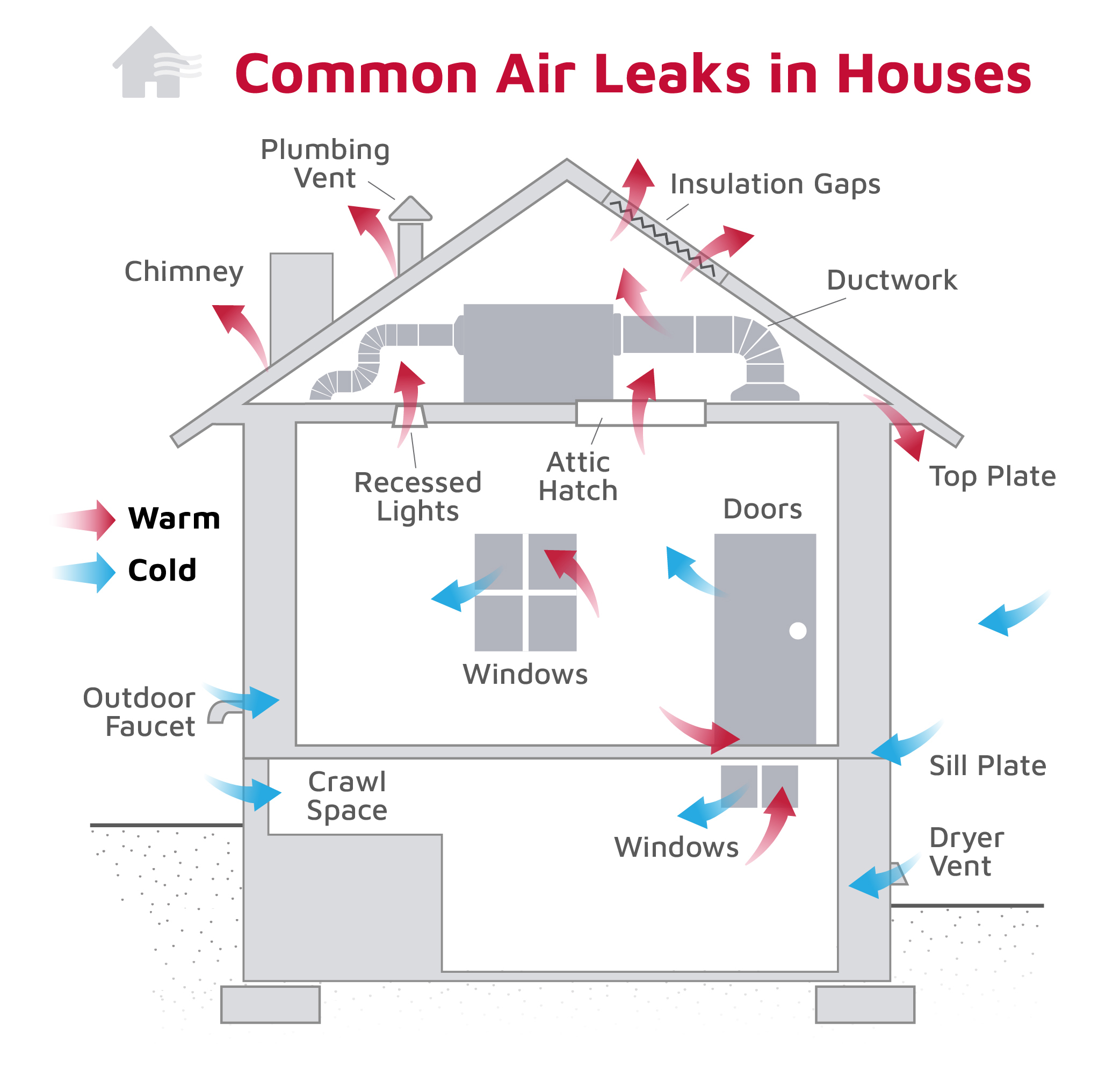
Air leaks can form in many areas throughout your home. Identifying where they occur is the first step toward creating a more efficient living environment.
- Windows and Doors: These are among the most common leak points. Look for visible gaps, cracks, or light peeking through the edges. On windy days, you may feel a draft or notice curtains moving.
- Attics and Basements: Attic hatches, plumbing penetrations, recessed lighting, and electrical openings often allow warm air to escape upward. In basements, leaks tend to form around foundation walls, rim joists, and windows.
- Fireplaces and Chimneys: Poorly sealed dampers and gaps where masonry meets framing can let conditioned air escape.
- Ductwork: Leaky ducts can significantly reduce HVAC efficiency, especially if they run through unconditioned areas like attics or crawl spaces.
- Electrical Outlets and Vents: Even small openings behind switch plates or around vent covers can contribute to energy loss.
How to Detect Air Leaks?
Several methods can help you pinpoint air leaks, ranging from simple checks to advanced diagnostic testing.
- Visual Inspection: Start by looking for visible cracks and gaps around doors, windows, and baseboards. Turn off lights and shine a flashlight along suspected areas to see if light passes through from the other side.
- Thermal Imaging: A thermal camera or infrared thermometer can detect temperature differences on walls, ceilings, and floors. Cold spots indicate areas where outside air is entering or conditioned air is escaping.
- Blower Door Test: For the most comprehensive evaluation, schedule a professional blower door test. This diagnostic tool depressurizes your home to make leaks more visible and measurable, allowing technicians to pinpoint problem areas accurately.
Sealing Air Leaks Effectively
Once you’ve located the leaks, sealing them properly can improve energy efficiency and comfort immediately.
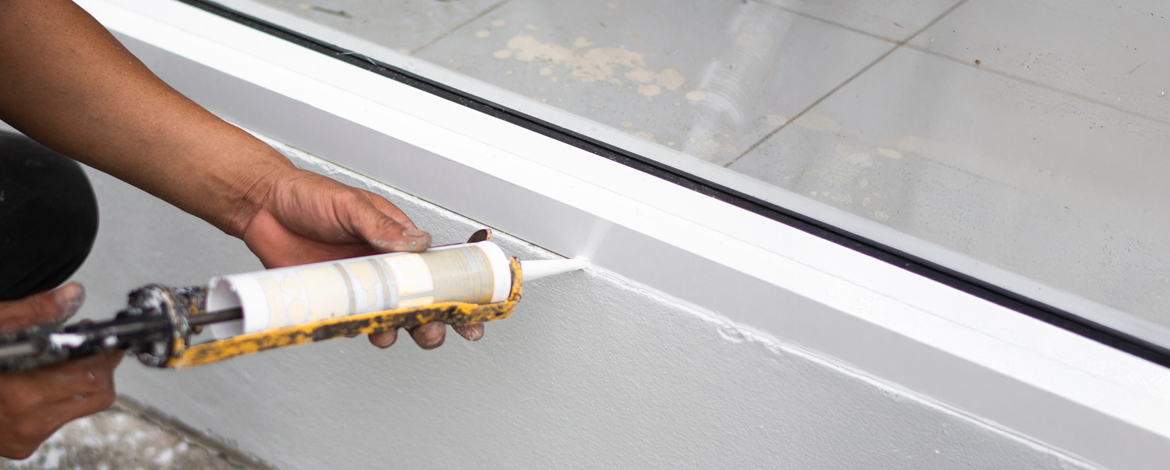
- Use Caulk for Stationary Gaps: Apply caulk around window frames, baseboards, and trim where there are fixed cracks.
- Install Weatherstripping for Moving Components: Doors and operable windows often need weatherstripping to form a tight seal without hindering movement.
- Add Insulation in Key Areas: Insulating attics, crawl spaces, and rim joists reduces heat loss and helps prevent condensation buildup.
- Seal Ductwork: Use foil-backed tape or mastic sealant to close leaks in HVAC ducts, especially those in unconditioned spaces.
- Check Ventilation: While sealing leaks is essential, maintaining balanced airflow through your ductwork prevents excess humidity and ensures healthy indoor air.
If leaks are extensive or located in hard-to-reach areas, a certified HVAC technician or home energy auditor can assess and seal them safely and effectively.
Benefits of Sealing Air Leaks
The advantages of finding and sealing air leaks go far beyond lower energy bills:
- Improved Energy Efficiency: Less conditioned air escapes, meaning your HVAC system doesn’t need to work as hard.
- Enhanced Comfort: Even temperatures and reduced drafts create a more comfortable living environment throughout the year.
- Healthier Indoor Air: Proper sealing helps block dust, pollen, and pollutants from entering your home.
- Extended Equipment Lifespan: With reduced strain on your HVAC system, key components such as blowers and compressors can last longer.
- Environmental Impact: Reduced energy consumption means fewer carbon emissions, making your home more sustainable.
When to Call a Professional?
While many small leaks can be sealed, larger or hidden leaks often require professional attention. A qualified HVAC or weatherization specialist can use blower door testing, infrared imaging, and duct sealing techniques to ensure your home is efficiently sealed without restricting necessary airflow.
A professional inspection also ensures that insulation, moisture control, and ventilation are properly balanced — key factors in preventing mold growth and maintaining air quality.
Finding and sealing air leaks is one of the simplest yet most impactful steps a homeowner can take toward a more efficient and comfortable home. Whether through a quick self-evaluation of your home, a more in-depth weekend inspection, or a professional evaluation, reducing air leakage will help your HVAC system perform better, cut energy costs, and improve the health of your indoor environment year-round.