
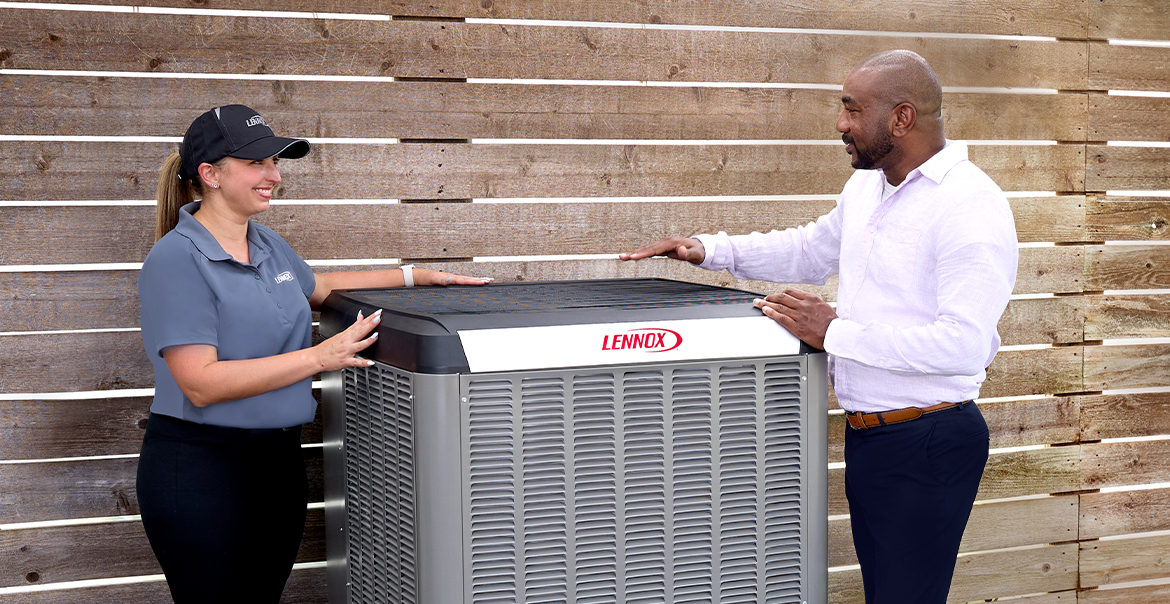
When you're investing in a heat pump for your home, you want to know it'll keep you comfortable for years to come. Heat pumps work hard year-round, switching between heating and cooling to maintain that perfect temperature you crave. Understanding how long heat pumps last and what influences their lifespan helps you plan ahead, budget wisely, and get the most value from your system. Let's explore what you can expect from your heat pump and how to keep it running for years.
Understanding Heat Pump Lifespan
Most heat pumps deliver reliable comfort for 10-15 years. That's a solid lifespan, but the actual number depends on several factors unique to your home and habits.
The type of heat pump you choose plays a role. Air-source heat pumps, the most common type, typically fall within that 10-15 year range. Ground-source (geothermal) systems can last even longer, sometimes 20-25 years, because they work in more stable underground temperatures.
Compared to traditional HVAC systems, heat pumps hold their own. A standard furnace might last 15-20 years, while a central air conditioner typically lasts 12-15 years. Heat pumps do the double duty of heating and cooling, meaning they work more often throughout the year. But their efficient design, with fewer mechanical processes than combustion-based systems, helps balance that extra workload.
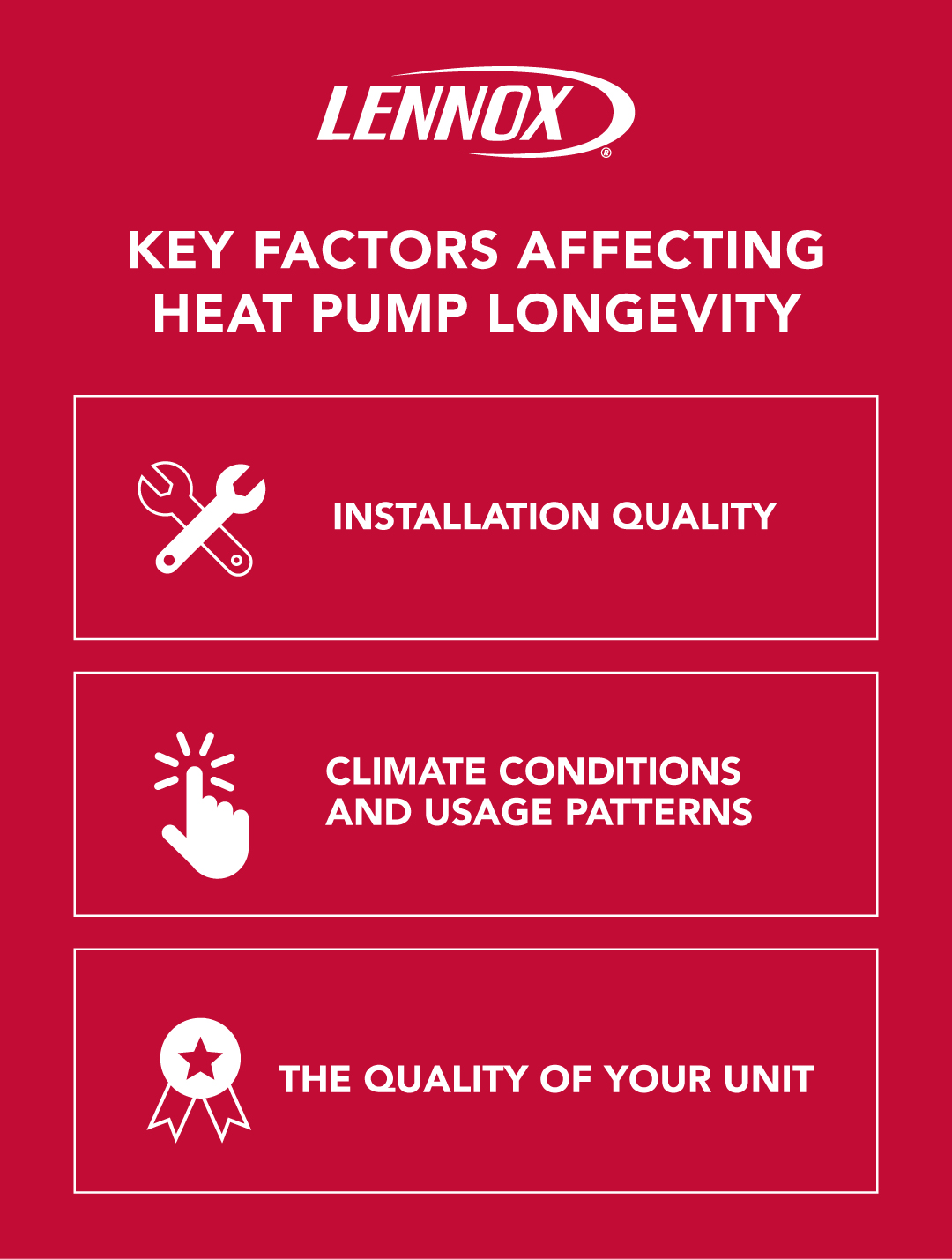
Key Factors Affecting Heat Pump Longevity
Several elements determine whether your heat pump reaches that 15-year mark or calls it quits earlier.
Installation Quality Makes All the Difference
Your heat pump's lifespan starts the moment it's installed. A professional installation ensures your unit is correctly sized for your space, properly sealed, and connected to your ductwork and thermostat without issues. Poor installation leads to inefficiency, higher energy bills, and unnecessary stress on components. An undersized unit will run constantly trying to keep up, while an oversized one will short-cycle, turning on and off repeatedly, wearing out the compressor faster.
Climate and Usage Patterns
Where you live matters. Heat pumps in mild climates face less extreme temperature swings, which means less strain and potentially longer life. In areas with harsh winters or scorching summers, your system works harder to maintain comfort, accelerating wear and tear. If you're constantly adjusting your thermostat or running your system at extreme settings, you're asking more from your equipment.
The Quality of Your Unit
Not all heat pumps are created equal. Higher-quality systems built with durable components and advanced technology tend to outlast budget models. Investing in a reliable brand like Lennox with a strong warranty gives you peace of mind and often translates to better longevity.
How to Maintain Heat Pump Performance?
Routine maintenance is your best tool for extending your heat pump's lifespan. Think of it like regular oil changes for your car - small efforts now prevent big problems later.
Essential Maintenance Tasks
● Change or clean filters monthly during heavy use seasons. Dirty filters restrict airflow, forcing your system to work harder.
● Keep the outdoor unit clear of debris, leaves, and snow. Your heat pump needs breathing room.
● Schedule professional tune-ups twice a year, once before heating season, and once before cooling season. A trained technician will check refrigerant levels, inspect electrical connections, clean coils, and catch small issues before they become expensive repairs.
● Check your thermostat settings to ensure your system isn't working overtime unnecessarily.
The Benefits of Routine Check-Ups
Professional maintenance catches problems early. A technician can spot a worn belt, a refrigerant leak, or a failing component before it causes a breakdown. Regular service keeps your system running efficiently, lowering your energy bills and reducing strain on parts. Many manufacturers require proof of regular maintenance to honor warranties, so those tune-ups protect your investment in more ways than one.
Beyond maintenance, smart habits extend your system's life.
Choose the right size for your home from the start. Work with a professional who'll accurately calculate your heating and cooling needs. Set your thermostat to a consistent, comfortable temperature rather than constantly adjusting it. Consider a programmable or smart thermostat to optimize efficiency. Ensure your home is well-insulated to reduce the workload on your heat pump.
Signs Your Heat Pump Needs Replacement
Even with excellent care, heat pumps don't last forever. Watch for these warning signs that replacement might be on the horizon.
● Rising Energy Bills: If your utility costs are climbing without explanation, your aging heat pump might be losing efficiency. As components wear out, your system uses more energy to maintain the same level of comfort.
● Frequent Repairs: One repair is normal. But if you're calling for service multiple times a year, those costs add up quickly. When repair bills start approaching half the cost of a new system, replacement makes more financial sense.
● Uneven Heating or Cooling: Notice some rooms staying too hot or too cold? Aging heat pumps struggle to distribute air evenly throughout your home.
● Strange Noises or Odors: Grinding, squealing, or banging sounds signal mechanical problems. Unusual smells could indicate electrical issues or refrigerant leaks.
● Your System Is Over 10 Years Old: Once your heat pump crosses the decade mark, start planning for replacement - even if it's still working. Newer models offer significantly better energy efficiency, which means lower bills and improved comfort.
Don't wait for a complete breakdown. If you notice performance issues, unusual sounds, or rising costs, reach out to a certified HVAC technician. They can assess whether a repair will solve the problem or if replacement is the smarter choice. Professional guidance helps you make informed decisions about your home comfort system.
Keep Your Comfort Going Strong
Heat pumps offer an efficient, versatile way to control your home's temperature year-round. By understanding what influences heat pump life expectancy, staying on top of maintenance, and recognizing when it's time for a change, you protect your investment and your comfort. Whether your system is brand new or approaching retirement, the right care makes all the difference.
Ready to maximize your heat pump's lifespan or explore replacement options? Find a certified Lennox dealer near you for expert advice tailored to your home's needs.