
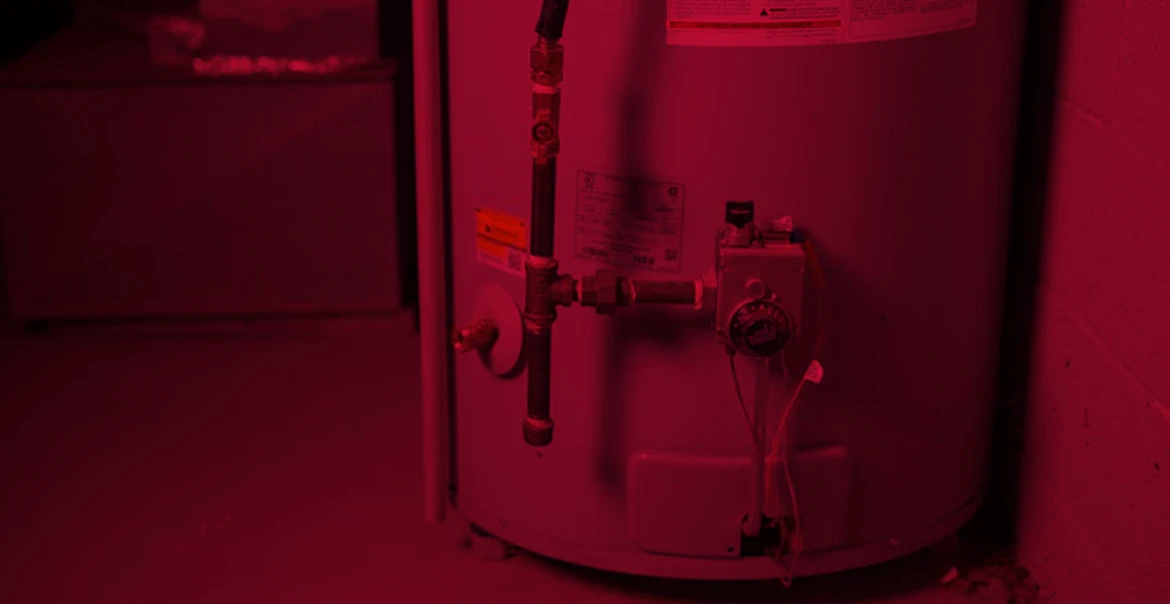
What Does It Mean When a Water Heater Overheats?
Your water heater should warm the contents of its tank to the temperature selected on the thermostat. Once the water reaches that point, the burner or electric heating element should turn off. It cycles back on only when the stored water cools, or new cold water enters the tank.
Water heater overheating happens when that process stops working as intended, and the temperature continues to climb. Residential water heaters commonly operate around 120°F, but water that rises beyond the chosen setting can quickly become unsafe.
The difference between ordinary heating and overheating comes down to control. A properly operating system maintains a relatively consistent temperature. An overheating unit produces water that is unexpectedly hot, changes temperature without explanation, or keeps heating when it should have stopped.
Why Water Heater Overheating Is Dangerous?
An extra-hot shower may be the first thing you notice, but overheating can affect more than your daily routine.
Risk of burns and scalding: Water at 130°F can produce a first-degree burn in about 5 seconds. At 140°F, that can happen in approximately 2 seconds. At 160°F, an adult may be burned immediately.
Tank damage and reduced lifespan: Repeated exposure to extreme heat can wear away at the tank’s interior, encourage corrosion, and place unnecessary strain on the water heater.
Increased pressure leading to leaks or rupture: Hotter water expands, which raises pressure inside the tank. If the system cannot relieve that pressure properly, water may escape through a valve or leak from another vulnerable area.
Higher energy bills: A unit that continues heating after reaching the correct temperature uses more energy than necessary. It may also keep running as it struggles with a failing part or accumulated sediment.
Common Signs of Water Heater Overheating
The clearest clue is water that suddenly feels much hotter than usual, even though no one adjusted the thermostat. You may also notice that the temperature changes from one use to the next. Water that shifts between lukewarm and scalding can point to an unreliable thermostat or heating element.
Listen for changes near the tank as well. Popping and rumbling often develop when minerals settle at the bottom. Heat can trap water beneath this layer, creating bubbles that produce noise. Because the buildup interferes with heat transfer, it can also make the water heater operate less effectively.
Pay close attention to the temperature and pressure relief valve. It is designed to open at roughly 150 psi or when the water reaches about 210°F. Water or steam coming from this valve means the system needs prompt evaluation.
Leaks and burning odors are also reasons to act. A burning smell near an electric water heater may indicate an overheated element, damaged connection, or wiring problem. Turn the unit off rather than continuing to test it.
What Causes a Water Heater to Overheat?
Several problems can interfere with a water heater’s ability to regulate temperature:
Faulty thermostat: The thermostat tells the heat source when to turn on and off. If it provides an incorrect reading or fails to send the shutoff signal, the tank may continue heating. A temperature that does not change after adjusting the dial can indicate thermostat trouble.
Sediment buildup: Minerals in the water gradually collect inside the tank. As that layer grows, it creates a barrier between the water and heat source. The unit may then run harder and hotter to complete each heating cycle.
High thermostat setting: Someone may have raised the setting accidentally, or it may have been set too high during installation. Temperatures above 140°F add risk for most households without providing a meaningful comfort benefit.
Malfunctioning heating element: An electric element can develop a short and stay on after receiving instructions to stop. Testing and replacing the element requires a professional.
Pressure relief valve issues: A relief valve that is blocked, corroded, or stuck may be unable to manage rising tank pressure safely.
Improperly sized water heater: A unit that is too small for the household may run nearly continuously to keep up with demand. Proper sizing helps support safer, more efficient operation.
What to Do If Your Water Heater Is Overheating?
If your hot water heater is too hot, take the following steps:
Avoid using hot water. This protects household members from accidental scalding.
Disconnect the energy supply. Switch off the dedicated breaker for an electric model. For a gas model, close the gas supply valve.
Give the tank time to cool. It may take several hours for the water to return to a safer temperature.
Contact a licensed plumbing contractor. Leave the unit off until the cause has been diagnosed and the system is approved for use.
How Professionals Diagnose Overheating Issues?
A licensed plumbing contractor can measure the actual water temperature and compare it with the thermostat setting. For an electric model, the inspection may include testing each heating element for a short or failure. The technician can also verify that the thermostat and high-limit safety controls stop the heating cycle correctly.
If minerals are affecting operation, the tank may be flushed to clear the buildup. The pressure relief valve will also be checked to confirm that it opens and closes as designed. A damaged or corroded valve can then be replaced.
Preventing Water Heater Overheating
Preventive care helps the water heater control temperature without working harder than necessary. Keep the thermostat at 120°F unless a qualified professional recommends another setting for your household.
Flush the tank annually to limit mineral accumulation. Homes with hard water may require more frequent flushing. An annual professional inspection can also identify inaccurate controls, electrical problems, corrosion, and valve concerns before they interrupt your hot water supply.
Keep Your Hot Water Safe and Reliable
A water heater that gets too hot should never be treated as a minor inconvenience. Excess heat can burn skin, raise pressure, damage the tank, and waste energy. Turning off the unit and scheduling a professional diagnosis is the safest response.
Once the immediate issue is corrected, sensible temperature settings and routine maintenance can help your water heater deliver dependable hot water without putting your comfort or safety at risk.
We’re here to help make home comfort solutions a little clearer and a lot less stressful.
No Worries. It’s a Lennox.