
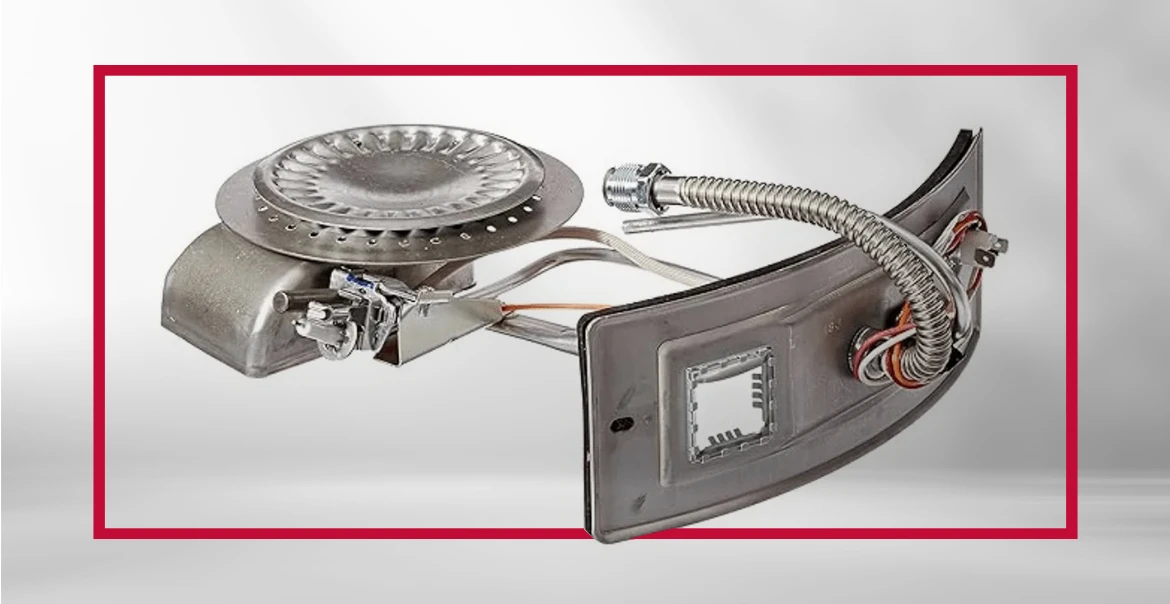
What Is a Water Heater Burner?
Every gas water heater needs a controlled heat source. That job belongs to the burner, which sits beneath the storage tank and uses natural gas or propane to create a flame. The heat produced below the tank, together with the heat carried through its central flue, raises the temperature of the stored water.
This component is specific to gas-fired equipment. An electric water heater warms its water with internal electrical elements, so it does not contain a burner assembly. The best system type for your home depends on your utility connections, hot water usage, equipment location, and installation needs.
The Main Components of a Water Heater Burner
The burner is composed of a larger system of parts that manage fuel delivery, ignition, and safety. Its five principal components include:
Burner head and orifice: The orifice meters fuel into the assembly, while the burner head spreads the flame across the intended area.
Ignition source: Ignition comes from a continuously burning pilot light or an electronic device that starts only when the unit calls for heat.
Thermocouple or flame sensor: This part verifies successful ignition. If it cannot confirm a flame, the fuel supply is interrupted.
Gas valve: Temperature controls signal this valve when it is time to provide or stop fuel.
Manifold and supply tube: These passages move fuel from the valve toward the burner head.
These water heater burner parts operate as a team. A problem with one component can prevent the entire assembly from completing a normal heating cycle.
How a Water Heater Burner Works?
When stored water cools below the selected setting, the thermostat initiates a new cycle. The gas valve responds by releasing fuel into the manifold. Once the fuel reaches the burner, the pilot or electronic igniter starts combustion.
Heat from the flame warms the base of the tank. Combustion gases also pass upward through the flue in the tank’s center, allowing more of their heat to reach the surrounding water before the exhaust leaves through the vent.
After the thermostat detects that the selected water temperature has been reached, it directs the valve to stop the fuel supply. The flame goes out until another heating cycle is needed.
Built-in protections oversee this sequence. The flame sensor prevents unburned gas from continuing to flow after failed ignition. A high-limit control can stop operation if temperatures climb too far, while the temperature and pressure (T&P) relief valve provides another safeguard against unsafe conditions inside the tank.
Different Types of Gas Water Heater Burners
Gas water heaters can be grouped into three common categories based on how they receive combustion air and remove exhaust.
Atmospheric Burners
An atmospheric model takes the air required for combustion directly from the room. Exhaust typically travels upward through a vertical vent. Standard units of this type commonly carry Uniform Energy Factor (UEF) ratings from 0.58 to 0.65. UEF indicates how effectively water heaters use energy to provide hot water under a defined pattern of use.
Sealed Combustion Burners
With sealed combustion, an intake pipe supplies air from the outdoors instead of relying on the room around the appliance. Separating combustion from indoor air can make this configuration better suited to some enclosed spaces and tightly constructed homes.
Power Vent Burners
A power vent model includes a blower that pushes exhaust out of the home. This mechanical assistance may allow the vent to run horizontally, providing options where a standard vertical route is unavailable. Different capacities can serve households with different levels of hot water demand.
Equipment selection should account for more than tank size. Available vent routes, installation space, household usage, and existing utility connections can all affect which configuration makes sense.
Warning Signs of a Faulty Water Heater Burner
Burner trouble does not always result in an immediate loss of hot water. Performance may become inconsistent at first. Signs worth investigating include:
Faucets delivering cold or lukewarm water
Repeated clicking without the burner lighting
A flame that looks weak, uneven, yellow, or orange
Heating cycles that stop shortly after they begin
Dust, rust, or other material collecting near the burner area
New or unusual sounds during startup
Gas consumption rising without a clear reason
The smell of gas near the equipment
Under normal conditions, the flame should appear steady and predominantly blue. Persistent yellow or orange coloring can indicate that combustion is not occurring correctly.
Treat any gas odor as an immediate safety issue. Leave the building, avoid switches and ignition sources, and contact the gas utility or emergency services once you are safely outside.
What Causes Water Heater Burner Problems?
Restricted burner openings are one possible cause. Dust, rust, and mineral residue can interfere with fuel distribution and alter the balance of gas and air.
Ignition can also be disrupted by a deteriorated thermocouple or flame sensor. If the safety control cannot reliably recognize the flame, it may close the gas valve even though ignition initially occurred.
An issue may also originate before fuel reaches the burner. Low pressure, an interrupted supply, or a shutoff valve that is not fully open can leave the assembly without enough gas to operate properly. Damaged parts, including a corroded burner head, misshapen component, or compromised orifice, may call for water heater burner replacement.
Ventilation matters as well. When intake air or exhaust movement is restricted, the unit may develop yellow flames, soot, or repeated safety shutdowns.
Signs You Need Professional Water Heater Service
Schedule service when the burner cannot light, will not remain lit, turns off repeatedly, or has visible deterioration. A yellow or orange flame, soot formation, persistent ignition sounds, and unreliable water temperature also warrant a professional evaluation.
A licensed plumbing contractor can trace the problem through the full combustion system instead of replacing parts based only on symptoms. That process may include checking the ignition device, thermocouple, gas valve, burner head, safety controls, fuel delivery, and venting.
Tips for Maintaining a Water Heater Burner
A well-maintained burner should provide approximately 8 to 12 years of service when equipment conditions and maintenance are favorable. To support safe, dependable performance:
Arrange for a water heater inspection every year.
Look through the viewing window periodically to check flame color.
Keep stored items and debris away from the appliance.
Follow the clearance instructions provided by the manufacturer.
Pay attention to soot, corrosion, moisture, and vent damage.
Address worn or unreliable parts before they cause a complete shutdown.
Homeowner cleaning should be limited to accessible exterior areas and performed only after following the manufacturer’s shutdown instructions. Do not disassemble the combustion chamber or attempt to adjust gas components. Internal inspection and cleaning belong in the hands of a licensed plumbing contractor.
Keep Your Gas Water Heater Operating Safely
Knowing what happens inside the water heater burner can help you spot a change before the unit stops producing hot water. Watch the flame, listen for unusual startup behavior, and make annual service part of your home maintenance plan. For gas, ignition, combustion, or venting concerns, contact a licensed plumbing contractor rather than opening or modifying the burner yourself.
We’re here to help make home comfort solutions a little clearer and a lot less stressful.
No Worries. It’s a Lennox.