
What Is Recovery Mode on a Thermostat?
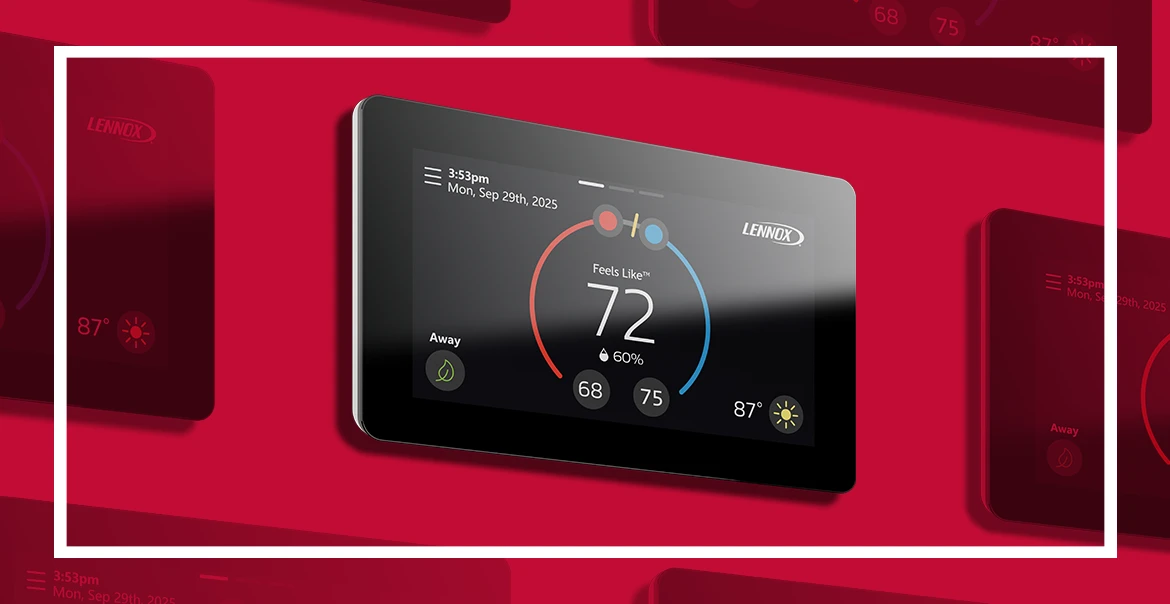
Picture the gap between the warmer temperature your thermostat holds while you sleep and the cooler setting waiting for you in the morning. Recovery mode is what fills that gap. It’s the period during which your system actively conditions your home ahead of the next scheduled period, so the transition happens before you notice it, not while you’re waiting on it. If you have ever seen a message like "In Recovery" or "Transitioning to Next Schedule" on your display, your thermostat is not malfunctioning. It is doing exactly what it was designed to do.
This stands apart from a standard heating or cooling cycle. In a regular cycle, the thermostat reacts to a temperature drift and turns on the system to correct it. In recovery mode, the thermostat calculates how far in advance it needs to start so the temperature is already at your comfort level when the scheduled time arrives. It is proactive rather than reactive.
Common Situations That Trigger Recovery Mode
Morning temperature adjustments
This is the most common trigger. Most homeowners program their thermostats to let the temperature drop overnight while they sleep, then come back up before the morning gets started. If you wake up at 6:00 a.m., your thermostat works backward from that target time, figures out how much runway it needs, and starts the system early. By the time your alarm goes off, your home is already at your comfort setting, not working toward it.
Returning home from Away Mode
When you activate Away Mode, your thermostat holds the home at an energy-saving temperature while you are out. When you cancel Away Mode, either manually or through a scheduled return, recovery kicks in to close the gap between that hold temperature and your regular comfort setting.
Large scheduled temperature changes between periods
Thermostats with multiple daily programming periods, such as morning, daytime, evening, and overnight, can have sizable temperature differences between them. Any time two back-to-back periods have a significant setpoint gap, recovery mode activates ahead of the upcoming period to make the transition seamless.
Seasonal weather extremes that increase thermal load
On the coldest winter mornings or the hottest summer afternoons, your HVAC system simply has more work to do. Outdoor temperature directly affects how much heating or cooling your home needs, and your thermostat accounts for that. In extreme weather, recovery mode may start earlier than usual because the system needs more lead time to overcome the higher thermal load.
New or recently adjusted schedule settings
If you recently updated your thermostat's programming, changed temperature setpoints, or adjusted the timing of scheduled periods, recovery mode may appear more frequently or at different times than you are used to as the system adapts to the updated schedule. This is expected behavior and typically settles into a predictable rhythm within a few cycles.
How Long Should Recovery Mode Last?
In most homes with a well-maintained system and reasonable insulation, recovery mode typically runs between 15 and 60 minutes. Homes dealing with extreme outdoor temperatures, large setback gaps, or older equipment may see recovery extend up to 2 hours.
Several variables shape how long recovery takes:
Temperature gap: The larger the difference between your setback and comfort settings, the longer the recovery window
Outdoor conditions: Cold snaps and heat waves increase the thermal load your system has to overcome
Home insulation and air sealing: A well-insulated home holds temperature longer, which shortens recovery time
System capacity and efficiency: An appropriately sized, well-maintained system recovers faster than one that is undersized or due for service
Signs Your Thermostat Recovery Mode May Signal a Problem
Recovery mode is healthy by design, but the following situations suggest something else is going on:
Recovery lasts longer than 90 minutes consistently, without reaching the target
The system never reaches the set temperature, even after extended run time
Your HVAC runs nonstop without cycling off
Energy bills spike without a change in usage habits
Uneven temperatures throughout the home during recovery
Recovery triggers at odd or unexpected times, unrelated to your schedule
Weak airflow from vents during the recovery cycle
Unusual noises while the system is running in recovery
When the warning signs start stacking up, it typically points to a maintenance issue, an equipment problem, or both, and is a reliable signal that a closer look is overdue.
Why Does Recovery Mode Take Too Long?
If your system is spending more time in recovery than it should, one of these four factors is usually responsible:
Dirty air filters restrict airflow and reduce system efficiency
HVAC system issues, including low refrigerant, a failing blower motor, or worn components
Poor insulation or air leaks that allow conditioned air to escape before it reaches the target temperature
Incorrect thermostat settings, including setback gaps that are too large for the system to bridge efficiently
How to Get Your Thermostat Out of Recovery Mode?
You can exit recovery mode immediately or reduce how often it drags on with a few straightforward steps:
Manually override the temperature. Use the up/down controls or your thermostat app to set a new target temperature. This cancels the recovery cycle and returns the system to a standard heating or cooling cycle.
Cancel your scheduled program. If you do not need the thermostat to follow its current schedule, canceling the programmed hold stops recovery mode from running toward that setpoint altogether. On Lennox smart thermostats, keep in mind that canceling a hold returns the thermostat to its regular schedule, which could trigger a new recovery cycle if a comfort period is coming up soon.
Review your thermostat schedule. Confirm that your programmed setpoints, times, and system modes are all set correctly for the current season.
Reduce your setback gap. Limiting the difference between your setback and comfort temperatures to 4 to 5 degrees Fahrenheit delivers real energy savings while keeping recovery periods short and manageable.
Reset the thermostat if needed. If your thermostat is not responding as expected, a reset may resolve miscommunication between the thermostat and the system.
Tips to Improve Recovery Mode Performance
Getting the most out of recovery mode comes down to keeping your home and system in good shape:
Change filters regularly: Every one to three months keeps airflow clean and consistent
Seal ducts and air leaks: Duct leaks and gaps around windows and doors bleed conditioned air before it reaches your living spaces
Upgrade insulation: Gaps in attic and wall insulation let conditioned air work its way out of your living space before it can do its job. Shoring up those areas means your system spends less time and energy catching up during every recovery window.
Schedule annual HVAC maintenance: A yearly check from a certified technician catches small inefficiencies before they compound into bigger problems. Clean coils, calibrated components, and properly charged refrigerant all directly cut down on how long recovery mode needs to run.
Use moderate setback adjustments: A 4 to 5 degree setback delivers meaningful energy savings without creating long, drawn-out recovery windows
When to Call an HVAC Professional?
Most recovery cycles are uneventful. But if yours are routinely dragging past the 90-minute mark, your home is falling short of the target temperature no matter how long the system runs, or you are noticing warning signs like reduced airflow, unfamiliar sounds, or a utility bill that keeps climbing without explanation, a certified Lennox dealer should be your next call.
A trained technician brings more to the table than a quick check. They can assess refrigerant charge, test blower motor output, inspect the heat exchanger, and identify efficiency losses that are not obvious from the outside. ENERGY STAR data shows that a system with skipped maintenance or an improper installation can lose up to 30% of its rated efficiency, a significant hit that becomes more pronounced as equipment ages past the 10-year mark.
When maintenance alone is not moving the needle and recovery issues persist, a Lennox dealer can walk you through what repair versus replacement realistically looks like for your specific situation and home.
FAQs
Why does my thermostat say recovery at night?
That display is your thermostat quietly doing its job. Your thermostat has already calculated when it needs to start so your home reaches the next scheduled setpoint right on cue. For many households, that window falls overnight so the morning comfort setting is ready before anyone is out of bed.
Can I disable recovery mode?
Yes, most programmable and smart thermostats let you switch it off through the settings. Without recovery mode running ahead of schedule, your system will not start until the exact scheduled time, and your home will spend the first stretch of that period still working toward the temperature rather than holding it.
Is recovery mode bad for my HVAC system?
Actually, the opposite. A gradual, managed climb toward a target setpoint puts far less demand on your equipment than a sudden large swing would. Recovery mode was built into programmable thermostats precisely because it is a smarter, gentler way to move between temperatures.
Why is my thermostat always in recovery?
Frequent or extended recovery usually traces back to one of a few things: a setback range that is larger than your system can efficiently handle, a unit that is not properly sized for your home's square footage, insulation that is not doing enough to hold conditioned air in, or thermostat settings that simply need to be dialed in.
Does recovery mode increase my electricity bill?
A system that is functioning well uses recovery mode to distribute energy consumption more evenly, which is not the same as using more of it. Where costs climb is when something forces the system to run longer than it should, whether that is a clogged filter, leaky ducts, or an equipment issue. Addressing the underlying cause is what brings energy use back in line.
Your Home, Your Comfort, Right on Time
Thermostat recovery mode is one of those features that works best when you do not have to think about it. It runs quietly in the background, bridges the gap between your energy-saving setpoints, and hands you a home that is already at the right temperature when you need it. That is the whole point.
If recovery mode is doing its job, you will notice nothing except a comfortable home. If it is dragging on longer than it should, the fix is usually straightforward. And when the issue goes deeper than that, a certified Lennox dealer can diagnose what is holding your system back and get it back to performing the way it should.
We’re here to help make home comfort solutions a little clearer and a lot less stressful.
No Worries. It’s a Lennox.