
Hot water is one of those things you only notice when it is gone. The unit tucked away in your basement or utility closet is running through heating cycles day after day, every single year, without much acknowledgment. That kind of workload adds up, and every water heater eventually reaches a point where it can no longer keep pace.
The general lifespan range across water heaters spans 8 to 20 years, but that window is wide for a reason. Two identical units installed on the same day can age at completely different rates depending on how they are treated, where they are placed, and what is flowing through the pipes. Getting a handle on those variables now puts you in a much better position than waiting until a puddle forms on the utility room floor.
Average Lifespan of Different Water Heater Types
Tank Water Heaters
Tank water heaters are the most familiar type in American homes. Holding anywhere from 30 to 80 gallons of water at a ready temperature around the clock, they typically come in one of three models: gas, electric, or heat pump (hybrid). Under ideal conditions, the U.S. Department of Energy estimates a 10 to 15-year service life, though most units in real-world homes realistically top out at 8 to 12 years.
A major factor accelerating wear on these units is the nature of the work itself. Constant heating cycles create ongoing thermal stress on internal components, and over time, minerals suspended in the water settle and harden at the bottom of the tank. That sediment layer does two damaging things: it forces the heating element to work harder, and it accelerates corrosion of the tank lining from the inside out. The anode rod, which is the component designed to draw that corrosive activity away from the tank walls, can only do its job for so long before it needs replacing.
Heat Pump (Hybrid) Water Heaters
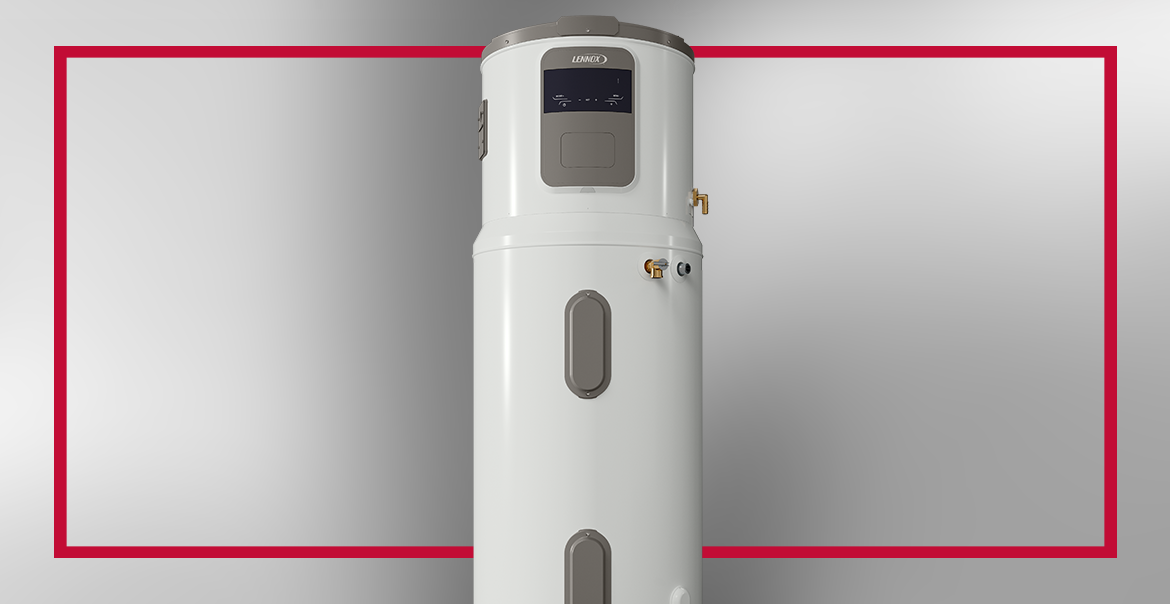
Heat pump water heaters are a type of tank water heater that takes a fundamentally different approach to producing hot water compared to gas or electric models. Rather than burning fuel or converting electricity directly into heat, they extract warmth from the air in the surrounding space and transfer it into the water tank. The result is a unit that uses roughly 75% less energy than a standard electric model.
These units are built to last longer, with a typical lifespan of 10 to 15 years. The catch is that placement matters significantly. ENERGY STAR specifies that heat pump water heaters need to be installed in spaces where they use ambient air, with enough open airflow to support the heat exchange process. In the right conditions, newer heat pump models are meaningfully more efficient than older water heaters, which is worth keeping in mind when evaluating whether to repair or replace an aging unit.
Key Factors That Affect Water Heater Lifespan
Water Quality
The mineral content of your water supply directly affects how long your water heater lasts. The EPA identifies water with more than 120 mg/L (or 7 grains per gallon) of dissolved calcium and magnesium as hard water. When hard water is heated, those minerals build up as scale inside the tank. Over time, that buildup forces the unit to run longer to hit the target temperature, stressing components and accelerating interior corrosion. In high-hardness areas, a water heater's realistic lifespan can shrink by 2 to 5 years without any corrective action.
Maintenance Frequency
Think of annual maintenance the same way you think about an oil change. Skip it once and probably nothing catastrophic happens. Skip it repeatedly and you are paying for it later. Consistent upkeep, particularly flushing sediment and checking the anode rod, can meaningfully extend a unit's service life. Homeowners who stay on top of this routine get more years and greater efficiency from the same equipment than those who let it go unattended.
Installation Quality
A water heater that is the wrong size for a home's demand, vented improperly, or placed in a location it was never designed for will underperform from day one and may void the manufacturer's warranty. Having a licensed plumbing contractor handle the installation means the unit is configured correctly for your specific home, which protects both performance and longevity.
Usage Patterns
More demand means more wear. A busy household running dishwashers, laundry, and multiple showers daily puts the unit through far more heating cycles than a smaller household does, and those extra cycles compound over the years, increasing component fatigue.
Location and Climate
A water heater installed in an unconditioned space, such as a garage, basement, or crawl space in a cold climate, works harder to compensate for the loss of ambient heat. That extra effort translates into higher energy consumption and accelerated wear on internal components. Coastal environments can introduce an additional challenge: salt-laden air can promote corrosion on the exterior of the unit and any exposed connections.
Signs Your Water Heater Is Nearing the End of Its Life
Age
The nameplate on your unit encodes the manufacture date, and it is worth looking that up if you are not sure when your unit was installed. A tank water heater past the 10-year mark deserves close monitoring. By 12 to 15 years, you are essentially on borrowed time, even if the unit appears to be functioning.
Inconsistent or Insufficient Hot Water
If your unit used to handle back-to-back showers without issue and now struggles to keep up, sediment buildup is likely the culprit. As mineral deposits displace usable tank capacity and insulate the heating element, the unit simply cannot produce the same volume of hot water it once could.
Strange Noises
Banging, popping, or rumbling from the tank during heating cycles is the sound of hardened sediment cracking and shifting as it heats. Beyond the noise, this process can reduce heating efficiency, meaning the unit consumes more energy to deliver less output.
Discoloration from the hot-water tap is a direct signal that the interior of your tank has corroded, and continued use risks leaks and potential water damage.
Leaks Around the Tank
Any pooling or persistent moisture at the base of the unit is a call to action. Ignoring them puts surrounding areas at risk of significant water damage.
Rising Energy or Repair Costs
A water heater that has lost efficiency will show up on your energy bill before it shows up as a visible failure. If repair invoices are becoming a regular occurrence on an older unit, that spending pattern is rarely a sign that the unit has more reliable years ahead.
How to Extend the Life of Your Water Heater?
Regular Flushing
Draining and flushing the tank once a year, or twice a year in hard-water areas, clears out the sediment that causes the most damage over time. This single maintenance step has a bigger impact on long-term lifespan than almost anything else a homeowner can do.
Replace the Anode Rod
The anode rod should be inspected every 3 to 5 years and swapped out when it has been consumed down to the wire core. A fresh rod restores the corrosion barrier protecting the tank walls and can realistically add 2 to 4 years to the unit's functional life.
Install a Water Softener
For homes with hard water, a water softener at the point of entry dramatically reduces the mineral load reaching the water heater. Less scale buildup means less stress on internal components and a longer operational window.
Adjust the Thermostat
The U.S. Department of Energy recommends a setting of 120° Fahrenheit for most households. Running hotter than that does not meaningfully improve performance, but it does accelerate sediment formation and increase thermal stress on the tank and components. Dialing back temperature by 10° can shave a potential 3 to 5 percent off annual water heating costs.
Schedule Annual Professional Inspections
A trained plumbing contractor can spot early-stage corrosion, test the pressure relief valve, assess the condition of the anode rod, and address small issues before they cascade into expensive failures.
When Should You Replace vs. Repair?
The 10-Year Rule
Once a tank water heater clears 10 years, every repair decision deserves a harder look. A useful benchmark: if the cost of the fix exceeds 50 percent of what a replacement would run, the math almost always favors a new unit. Pouring money into an aging system is not maintenance; it is financing a delayed replacement on worse terms.
Efficiency Gains in Newer Models
Today's water heaters operate at a meaningfully higher efficiency level than equipment manufactured 10 or more years ago. The U.S. Department of Energy projects that switching from an older electric resistance tank to a qualifying heat pump model could save homeowners roughly $1,800 in utility costs over the life of the appliance.
FAQ
How do I know the age of my water heater?
The manufacture date is encoded in the unit's nameplate. The format varies by manufacturer, but most embed the year and month within the first few characters.
Is it worth repairing an old water heater?
If the unit is over 10 years old and the repair quote is more than half the cost of a new installation, replacement is generally the better investment for most homeowners.
How often should I flush my water heater?
Once a year as a baseline. Twice a year if your home has hard water, which is common in many parts of the country.
What happens if you do not replace a failing water heater?
A unit past its service life will continue drawing energy while delivering declining performance. In worst-case scenarios, a corroded or overpressurized tank can leak, causing water damage that costs far more to address than a timely replacement would.
Keep Your Comfort For Years to Come
Your water heater may let you know when it’s running out of time: rising bills, shorter hot water runs, unfamiliar sounds, and visible wear are all signals you should pay attention to. Staying consistent with maintenance, and making informed decisions about repair versus replacement is how you stay in control of one of the most essential systems in your home. When you are ready to explore your options, connect with a licensed plumbing contractor for guidance built around your specific home and needs.
We’re here to help make home comfort solutions a little clearer and a lot less stressful.
No Worries. It’s a Lennox.™
