
What Is an AC Accumulator?
An AC accumulator is a key part of an air conditioning or heat pump system. It’s designed to control how refrigerant moves through the system, ensuring that only vapor enters the compressor. Since liquid refrigerant can cause severe damage to the compressor, the accumulator acts as a safeguard that helps prevent costly repairs.
The accumulator is typically located between the evaporator coil and the compressor. Inside, it temporarily stores excess refrigerant and releases it as vapor when needed. By managing refrigerant levels in this way, the accumulator helps maintain balanced system pressure, supports energy efficiency, and extends the life of your HVAC equipment.
Accumulator vs. Receiver Drier
There is a similar component called a receiver drier that is found in some systems, but don’t get them confused. While both devices manage refrigerant flow, their roles differ based on the type of system.
- Accumulators are designed to prevent liquid refrigerant from reaching the compressor.
- Receiver driers act as storage vessels for liquid refrigerant while filtering out moisture and debris.
In short, accumulators protect compressors, while receiver driers prepare refrigerant for the evaporator coil.
How an AC Accumulator Works?
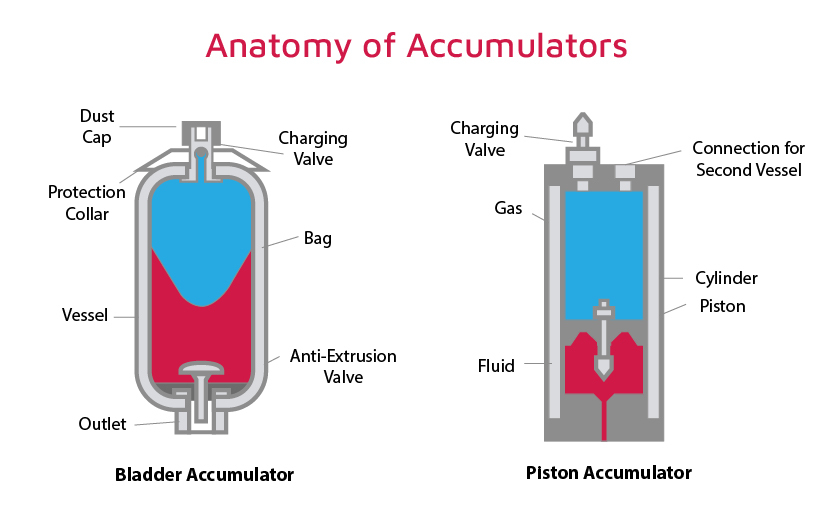
To understand how an accumulator functions, it helps to look at the refrigeration cycle. When refrigerant leaves the evaporator coil, it’s in a low-pressure vapor state, but sometimes small amounts of liquid refrigerant remain. The accumulator collects this refrigerant mixture and separates liquid from vapor.
Inside the chamber, the liquid refrigerant settles at the bottom while vapor rises to the top. A metering orifice allows the correct amount of vapor to flow into the compressor, while excess liquid remains stored until it can evaporate safely. This process ensures that the compressor receives only vapor, protecting it from liquid “slugging” and maintaining smooth, efficient operation.
Maintaining proper refrigerant levels is essential to this balance. Too much or too little refrigerant can reduce system efficiency, increase energy use, and place unnecessary stress on components.
Common Causes of Accumulator Issues
- Refrigerant imbalance– Overcharging or undercharging the system can strain the accumulator and reduce its ability to manage refrigerant flow.
- System leaks– Leaks in the refrigerant lines disrupt pressure levels and cause the accumulator to operate improperly.
- Age and wear– Accumulators typically last as long as the system itself, around 10–15 years, but exposure to heat and moisture can shorten that lifespan.
Maintenance Tips for Homeowners
Regular maintenance is the best way to keep your accumulator and HVAC system in good working order:
- Schedule annual HVAC tune-ups Professional maintenance helps identify issues with refrigerant levels, corrosion, or valve function before they lead to system failure.
- Have refrigerant levels checked Technicians can ensure your system is properly charged to maintain optimal efficiency.
- Call for service if performance drops Reduced airflow or uneven temperatures can indicate refrigerant or accumulator issues that need professional
When to Call a Professional?
Because the accumulator is sealed within the refrigerant circuit, any repair or replacement should be handled by a licensed HVAC professional. Homeowners should reach out for service if they suspect refrigerant leaks, compressor problems, or notice unusual sounds coming from the outdoor unit. Prompt repairs can prevent major damage and help maintain overall system performance.
Replacing an accumulator typically occurs during major system repairs or compressor replacement. A qualified technician will recover refrigerant, remove the damaged accumulator, install the new one, and recharge the system to the proper specifications.
A Small Component with a Big Impact
Though often overlooked, the AC accumulator is a crucial part of what keeps your home cool and your system protected. It ensures refrigerant flows correctly, shields the compressor from damage, and helps your air conditioner or heat pump run efficiently year after year.
Understanding its role and addressing problems early can prevent expensive repairs and extend the lifespan of your HVAC system. With regular maintenance and professional care, your system can deliver reliable comfort and performance through every season.